
1
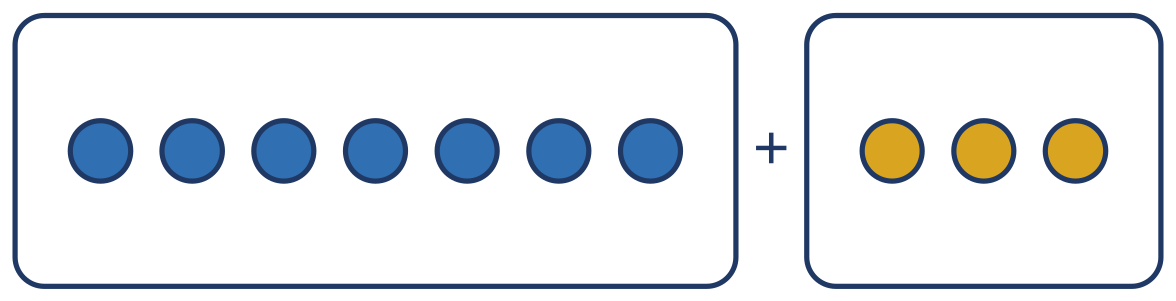
Two jars hold marbles: the blue group has 7 dots and the gold group has 3 dots. Write the two numbers with the correct symbol between them: >, < or =.
MATHEMATICS · KINDERGARTEN TO GRADE 3
This document was made by AI and there may be mistakes. If a question or answer looks wrong, use the Flag a mistake button to let Brett know so he can fix it.
This is how you compare two numbers and say which is bigger, like checking whether you have enough money for a game or whether two teams are tied. Comparing numbers is the first step in almost every decision involving money, scores, or measurements. You use it to check if you can afford something, to see who won a game, or to work out whether a measurement is too big, too small, or just right.
Comparing numbers: > means greater than, < means less than, and = means equal to.
The open side of the symbol always faces the bigger number.
Compare

Solution
8 is bigger than 5.
The symbol for greater than is >
So write 8 > 5
Compare

Solution
4 is the same as 4.
The symbol for equal to is =
So write 4 = 4
Two jars hold marbles: the blue group has 7 dots and the gold group has 3 dots. Write the two numbers with the correct symbol between them: >, < or =.
Two baskets hold apples: one basket has 2 dots and the other basket has 9 dots. Write the comparison with >, < or = between the two numbers.

Two pages hold stickers: one page has 6 dots and the other page has 6 dots. Which symbol fits between the two counts: >, < or =? Write the two numbers with the symbol between them.
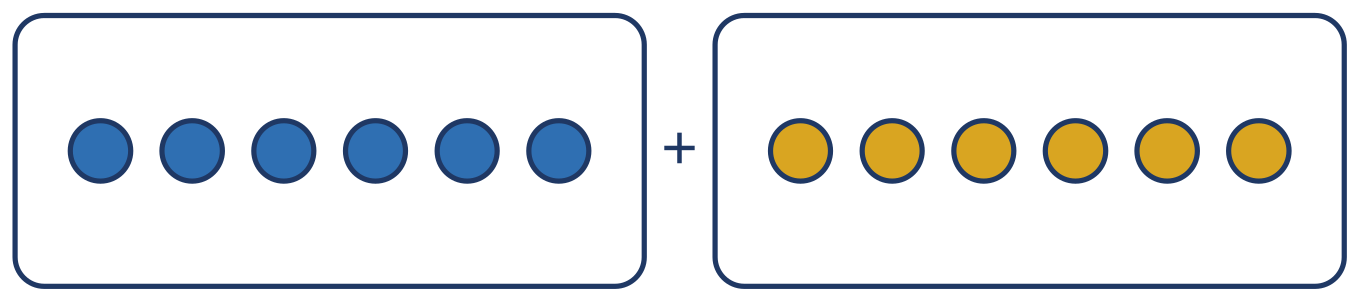
A blue team collected 15 bottle caps and a gold team collected 11 bottle caps. Compare their counts with >, < or =. Write the two numbers with the symbol between them.
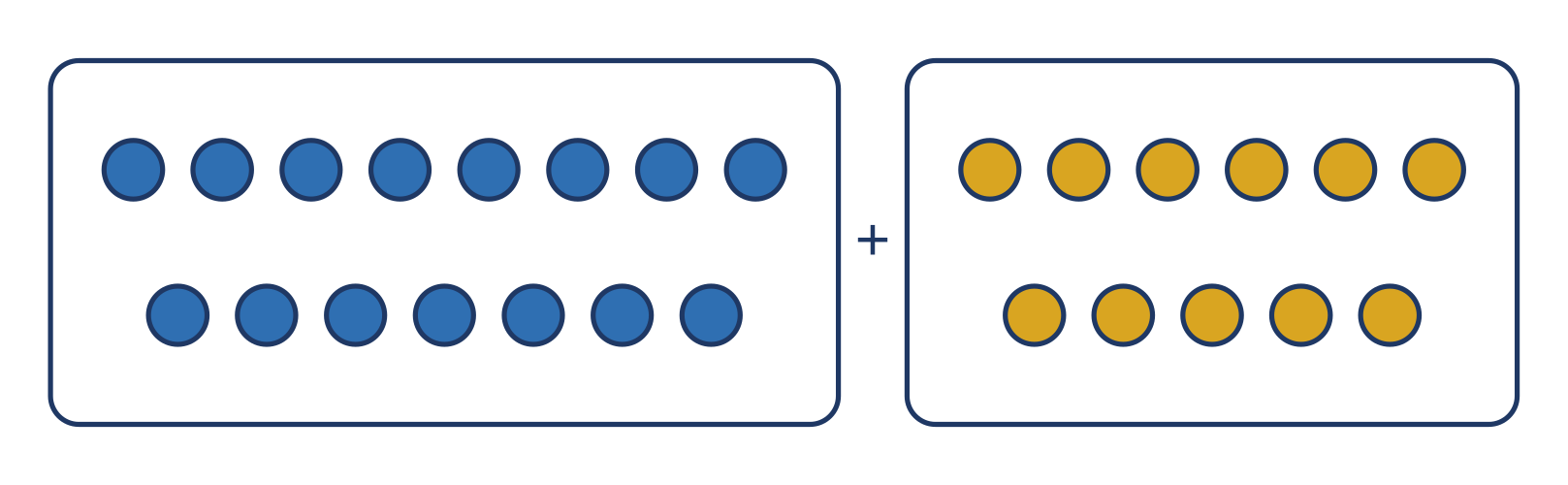
Two shelves hold books: one shelf has 8 books and the other shelf has 13 books. How do the two counts compare? Write the two numbers with >, < or = between them.
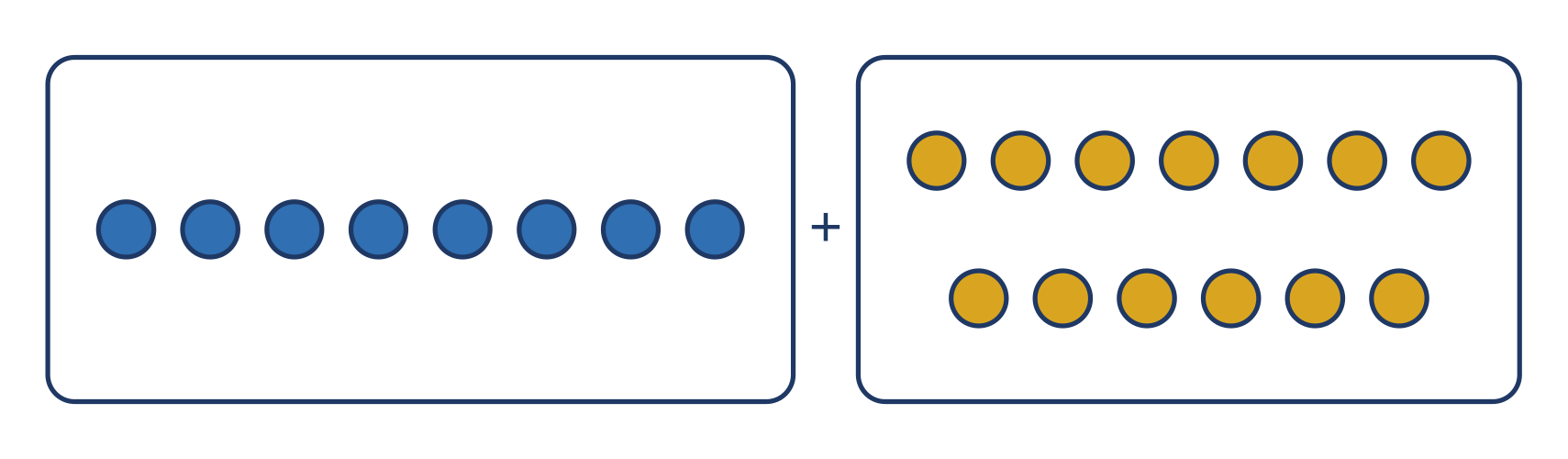
Sara says 10 is greater than 4. Is she right? Answer yes or no.
Leo says 3 is less than 1. Is he right? Answer yes or no.
Mia says 5 is equal to 5. Is she right? Answer yes or no.

Which of these lists the numbers in order from smallest to largest?
One child has 1 marble and another child has no marbles. Write the two numbers with >, < or = between them.

Your score: 0 / 10
1. 7 > 3
2. 2 < 9
3. 6 = 6
4. 15 > 11
5. 8 < 13
6. yes
7. no
8. yes
9. 9, 14, 17
10. 1 > 0