1
Irony type: A lifeguard drowns at a pool. Situational or verbal?
ENGLISH, LITERACY, AND COMMUNICATION
This document was made by AI and there may be mistakes. If a question or answer looks wrong, use the Flag a mistake button to let Brett know so he can fix it.
This is how you spot when words or events mean the opposite of what you would expect, like a fire station burning down, so you catch the joke or the point. Irony is the gap between what you expect and what actually happens, and writers use it to make a point, get a laugh, or show that something has gone wrong. Knowing how to spot it helps you read stories, poems, and news properly, and it keeps you from missing the joke or taking a sarcastic comment at face value.
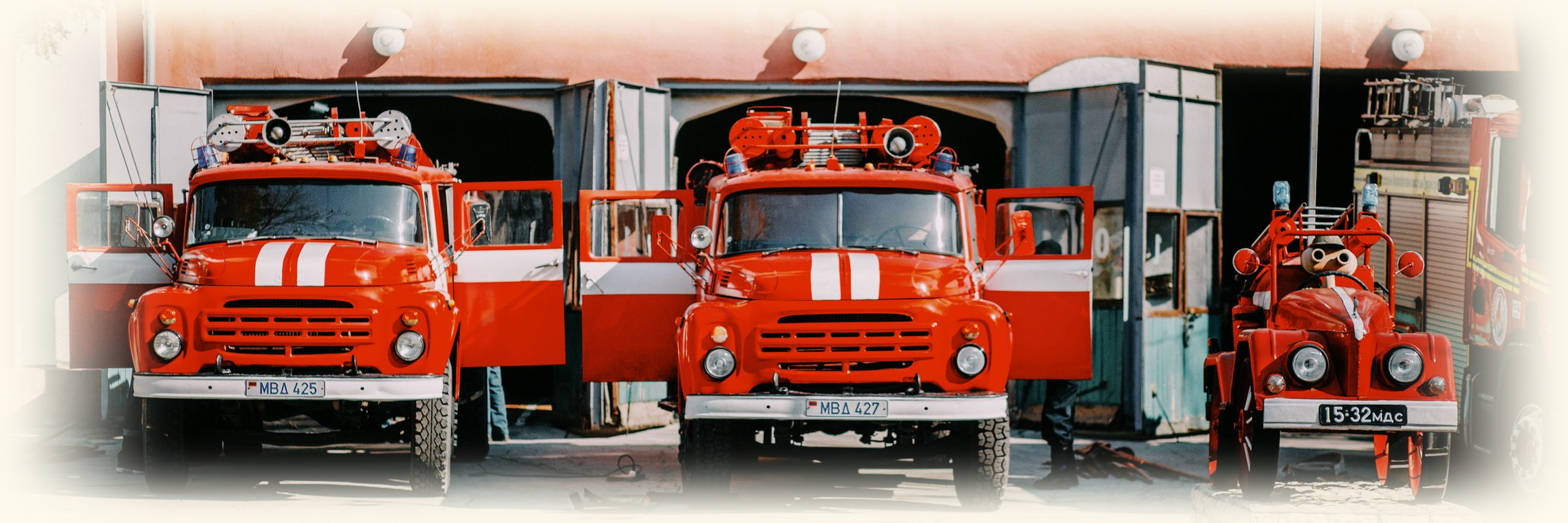
Irony: irony is the gap between what you expect and what actually happens. Situational irony is an event that is the opposite of what you would expect, such as a fire station burning down.
Verbal irony is saying the opposite of what you mean, such as 'Lovely weather' when rain is pouring down. Ask: what would you expect, and is what happened the opposite?
Identify the irony: A fire station burns down.
Solution
Ask: what would you expect? A fire station should be safe from fire.
What happened is the opposite of that expectation.
So it is situational irony.
Identify the irony:
Solution
Ask: does Tom mean his words literally? No, it is raining.
He says the opposite of what he means.
So it is verbal irony.
Irony type: A lifeguard drowns at a pool. Situational or verbal?
Irony type: 'Great, another flat tire,' said Ana, annoyed. Situational or verbal?
A dentist gets a cavity. What would you expect instead?
'Oh, fantastic,' he said, seeing his failed test. What does he really mean?
The police station is robbed. What makes this ironic?
'I just love homework,' she groaned. What tells you she does not mean it literally?
Which of these is an example of situational irony?
'Wonderful,' said Ben, as his bike broke. Which word is the opposite of what Ben means?
Which of these is NOT situational irony?
Why is 'Perfect timing,' she said, as the bus left without her, verbal irony rather than situational irony?
Your score: 0 / 10
1. Situational
2. Verbal
3. A dentist to have healthy teeth, since dentists know how to prevent cavities
4. He is upset about failing
5. The police station is the place that stops robberies, yet it was robbed
6. The word 'groaned'
7. A pilot is afraid of heights
8. Wonderful
9. A student studies hard and passes the test
10. Because the irony is in what she says, not in the event itself