
1
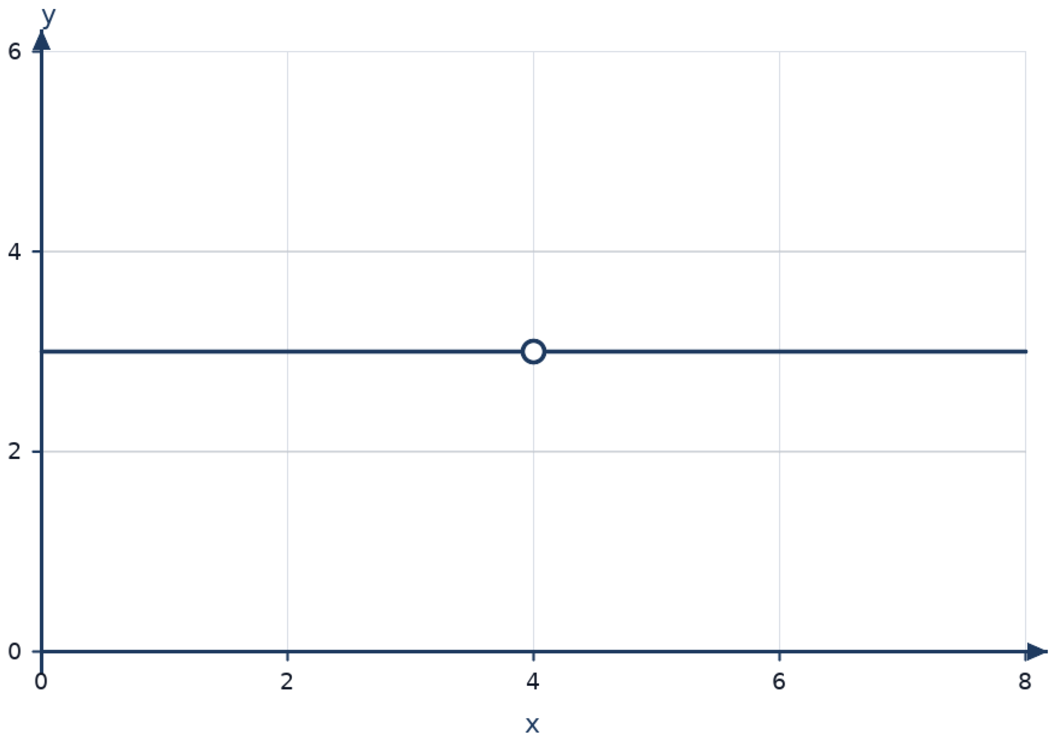
A curve has a hole at x = 4. Use the graph to find the limit at 4?
MATHEMATICS · GRADES 10-12
This document was made by AI and there may be mistakes. If a question or answer looks wrong, use the Flag a mistake button to let Brett know so he can fix it.
This is how you read where a graph is heading, even at a gap or a jump, like seeing what value a curve is approaching as it nears a missing point. A graph can have a hole or a sudden jump, but the values around it still point clearly toward one number, and that number is the limit. You use it to describe what a curve is doing near a gap in the data, to predict where a trend is heading, or to work out what a formula is approaching even when it has no value at that exact spot.
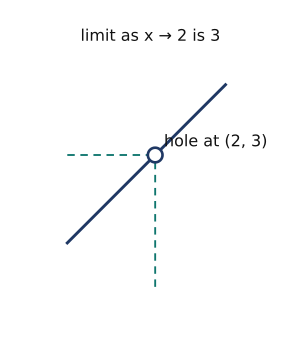
The limit at a point exists only when the graph approaches the same height from both sides, and that height is the limit.
If the two sides approach different heights, the limit does not exist.
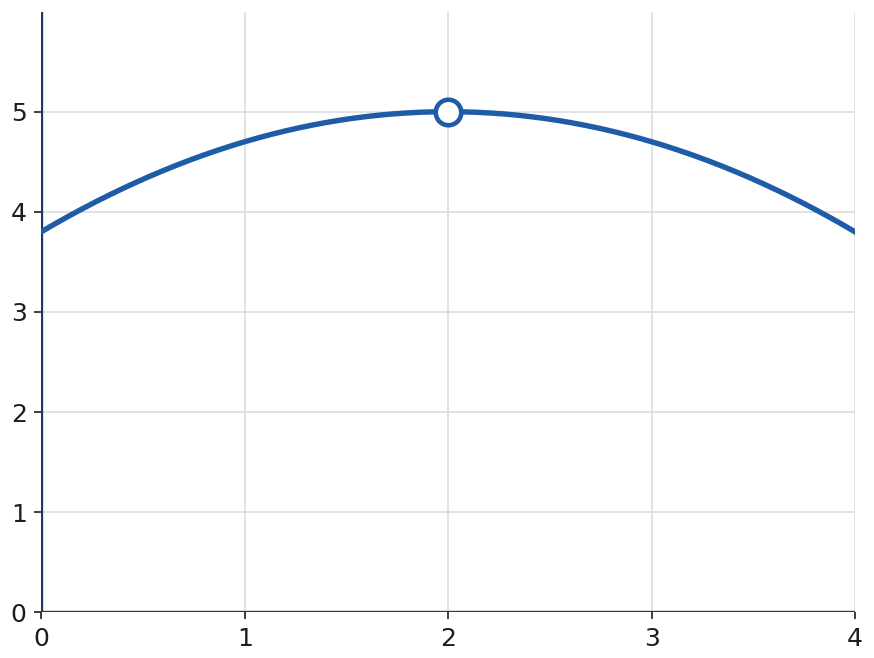
A graph has a hole at
Solution
Follow the curve from the left toward x = 2: height approaches 5.
Follow from the right: height also approaches 5.
The limit is 5, even though the function has no value at the hole.
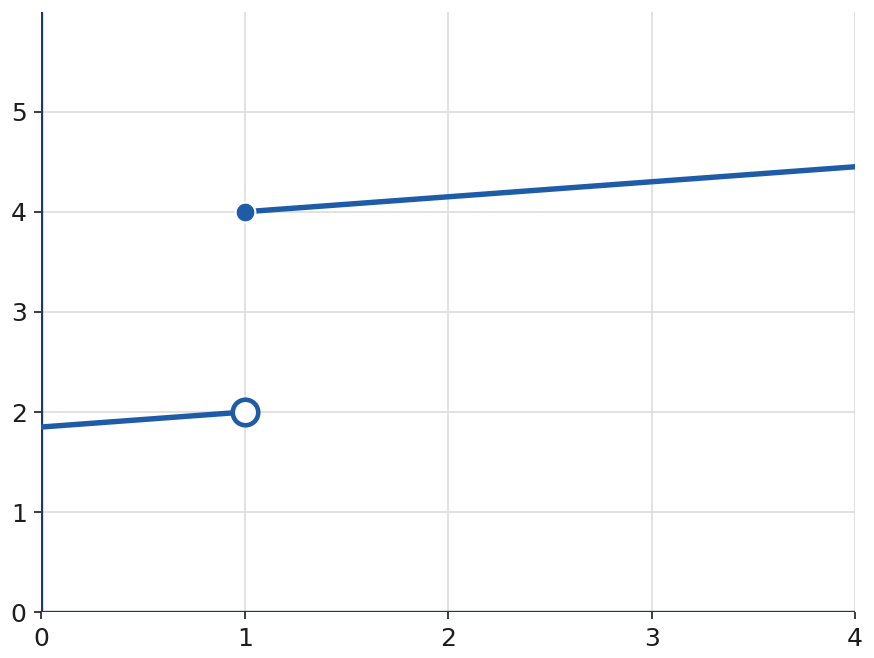
A graph jumps at
Solution
From the left, the height approaches 2.
From the right, it approaches 4.
The sides disagree, so the limit at 1 does not exist.
A curve has a hole at x = 4. Use the graph to find the limit at 4?
A curve approaches 1 from the left and 2 from the right at x = 0. Does the limit exist?
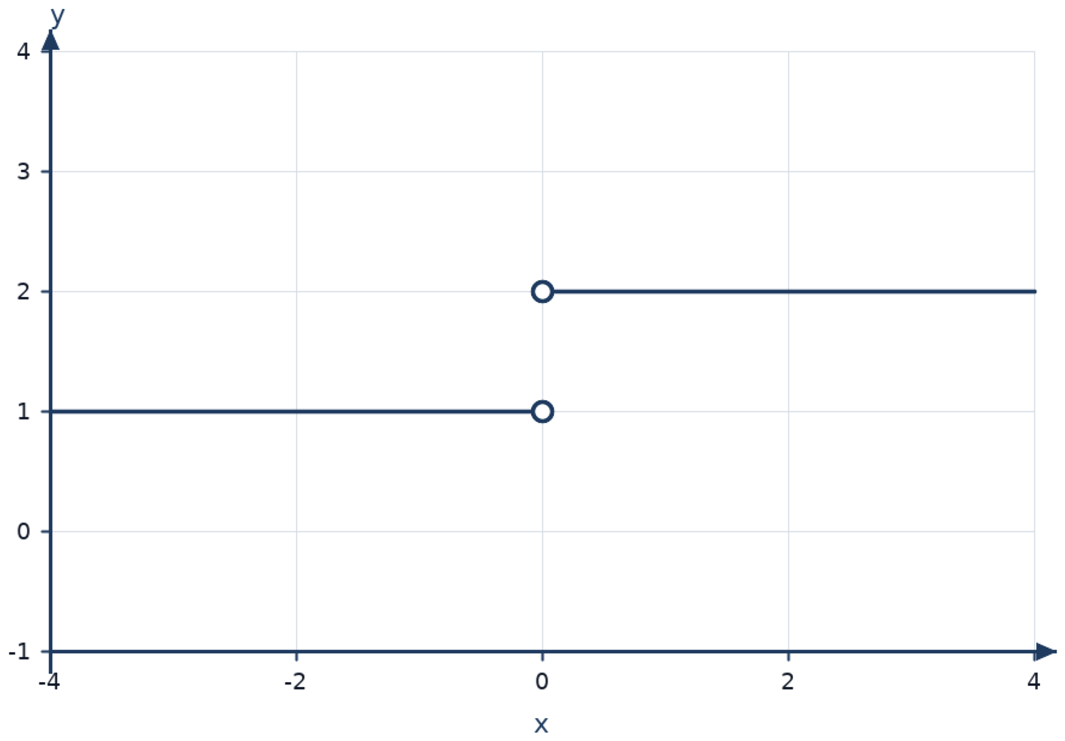
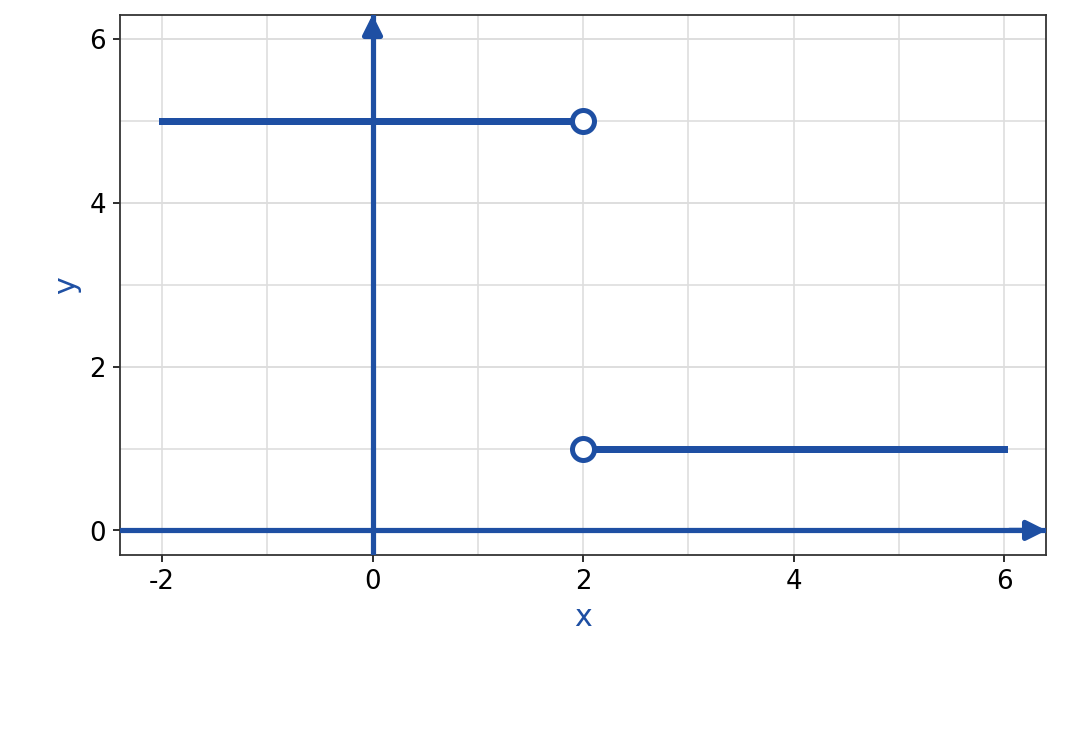
A graph jumps at x = 2: it approaches height 5 from the left and height 1 from the right. What is the limit at 2?
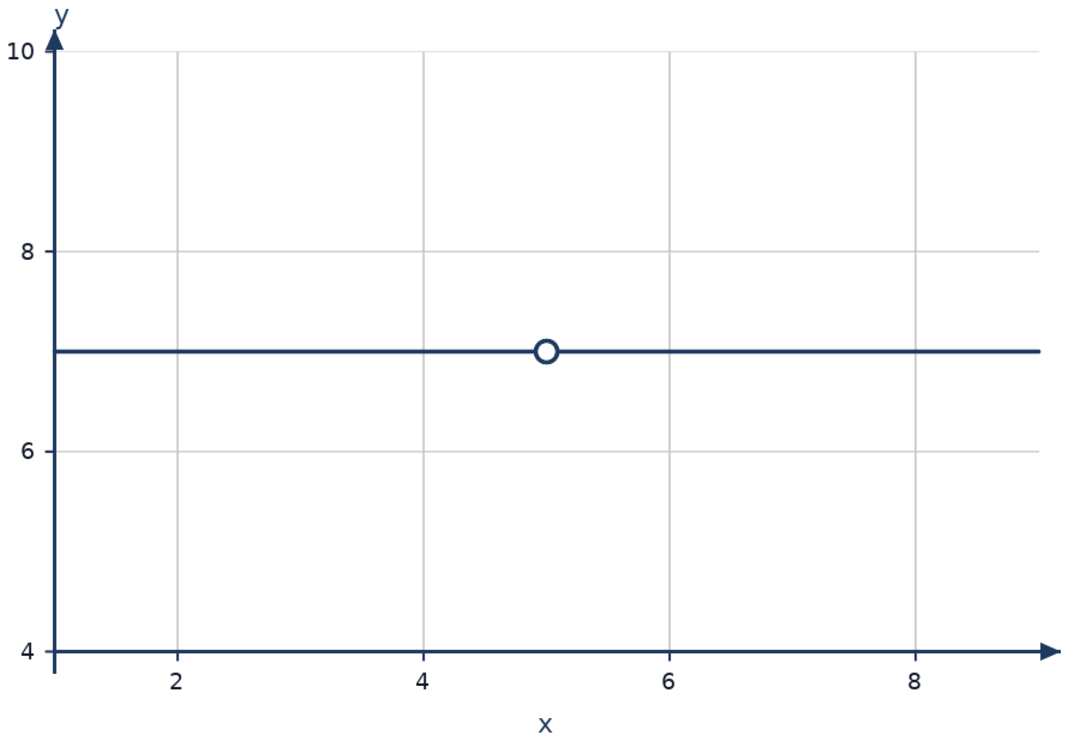
A graph has an open circle at x = 5. Use the graph to find the limit.
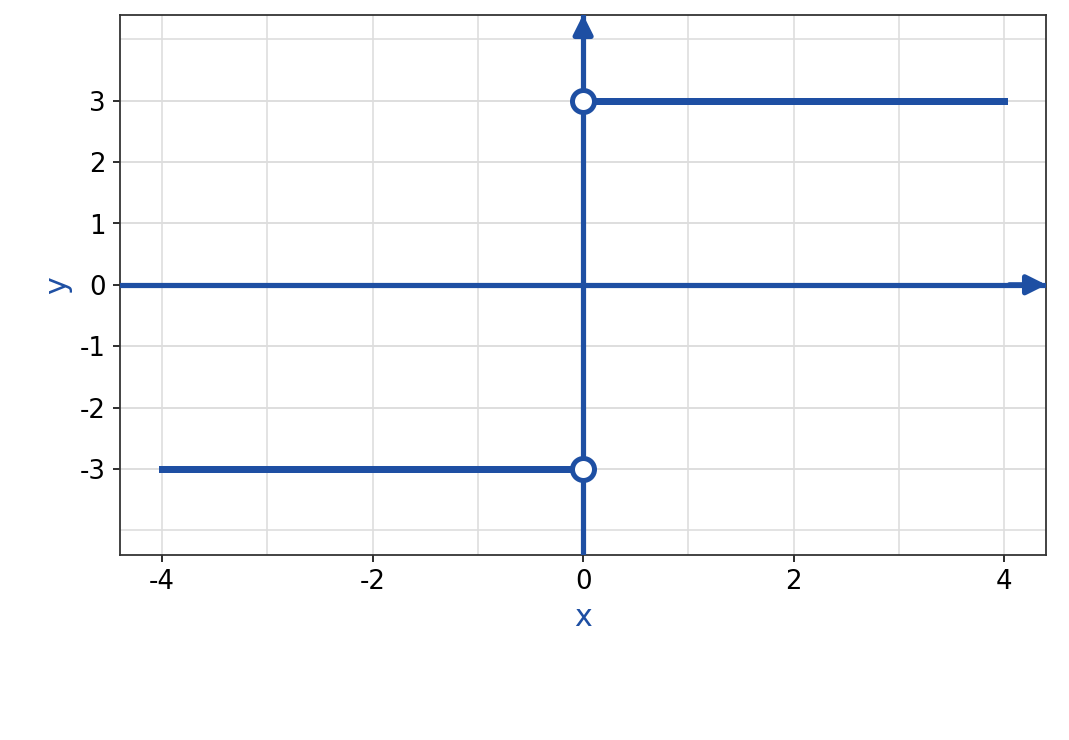
A graph jumps at x = 0: it approaches height -3 from the left and height 3 from the right. Does the limit exist?
A graph has an open circle at x = 1. Use the graph to find the limit.
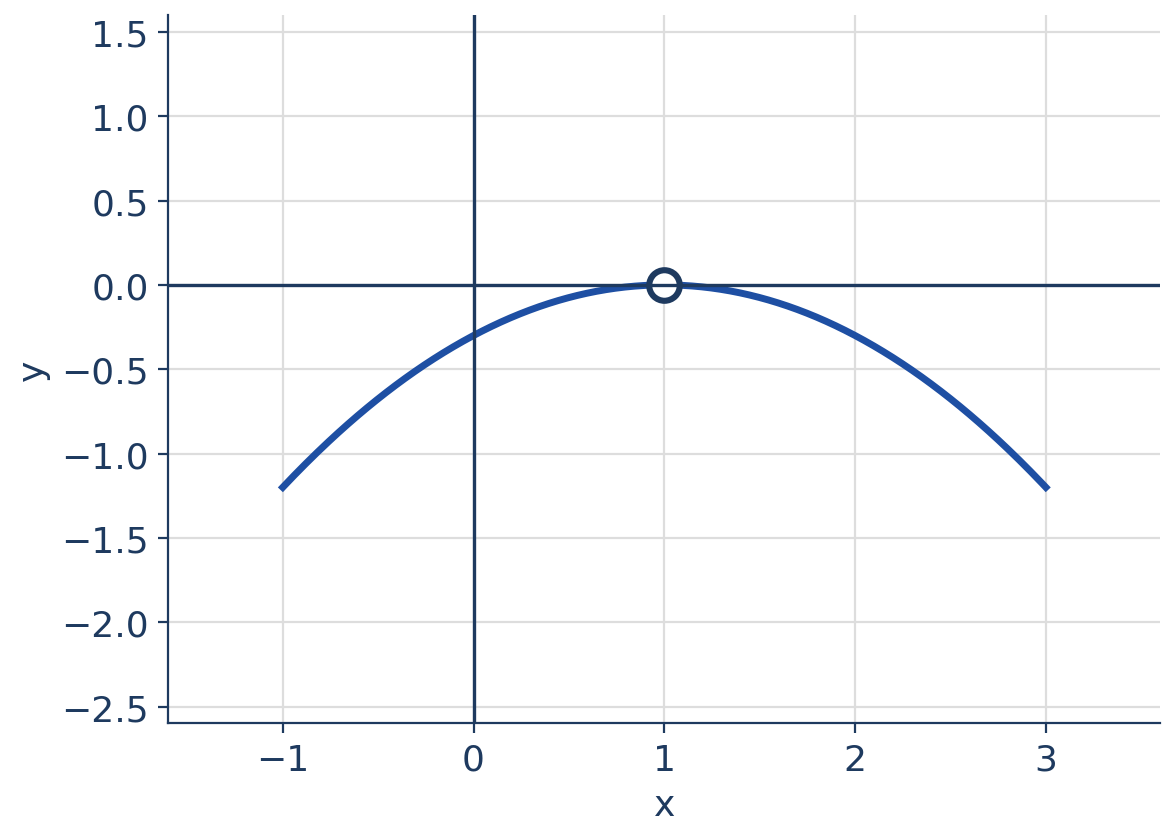
A graph has an open circle at x = 3. Use the graph to find the limit.
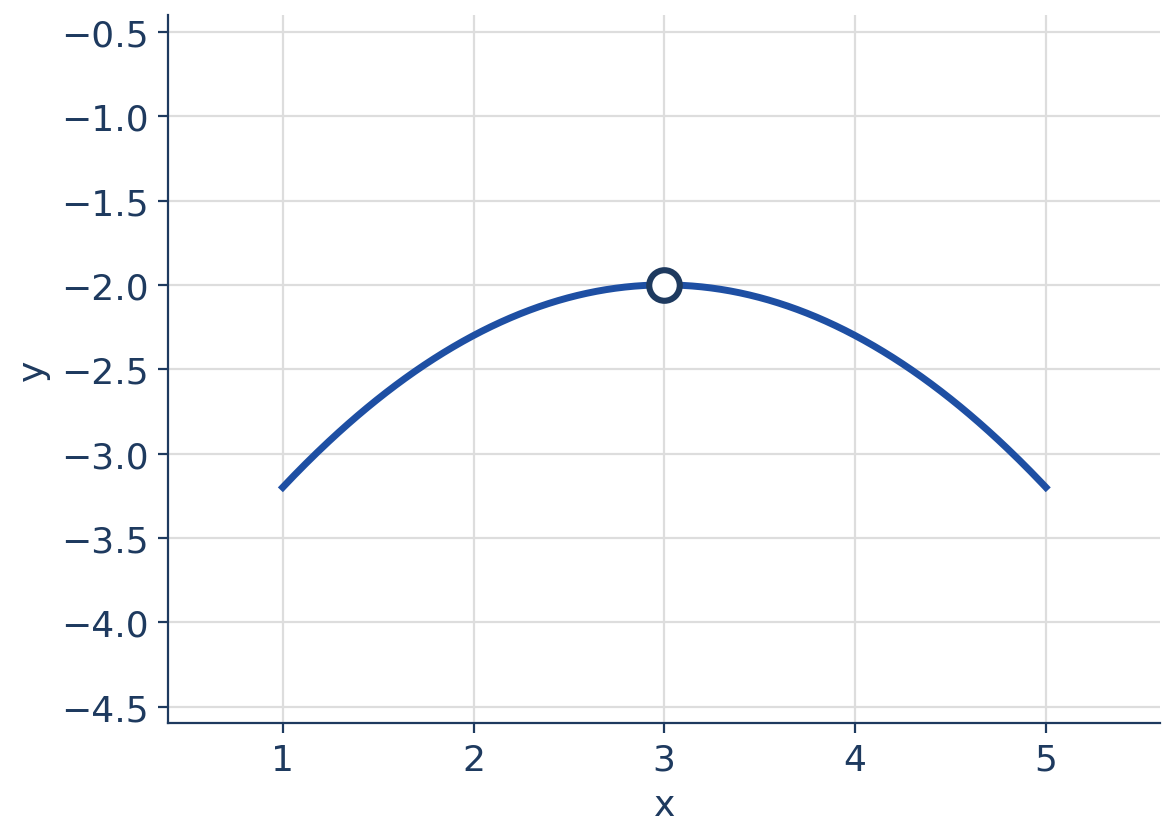
A graph jumps at x = 3: it approaches height 4 from the left and height 0 from the right. What is the limit at 3?
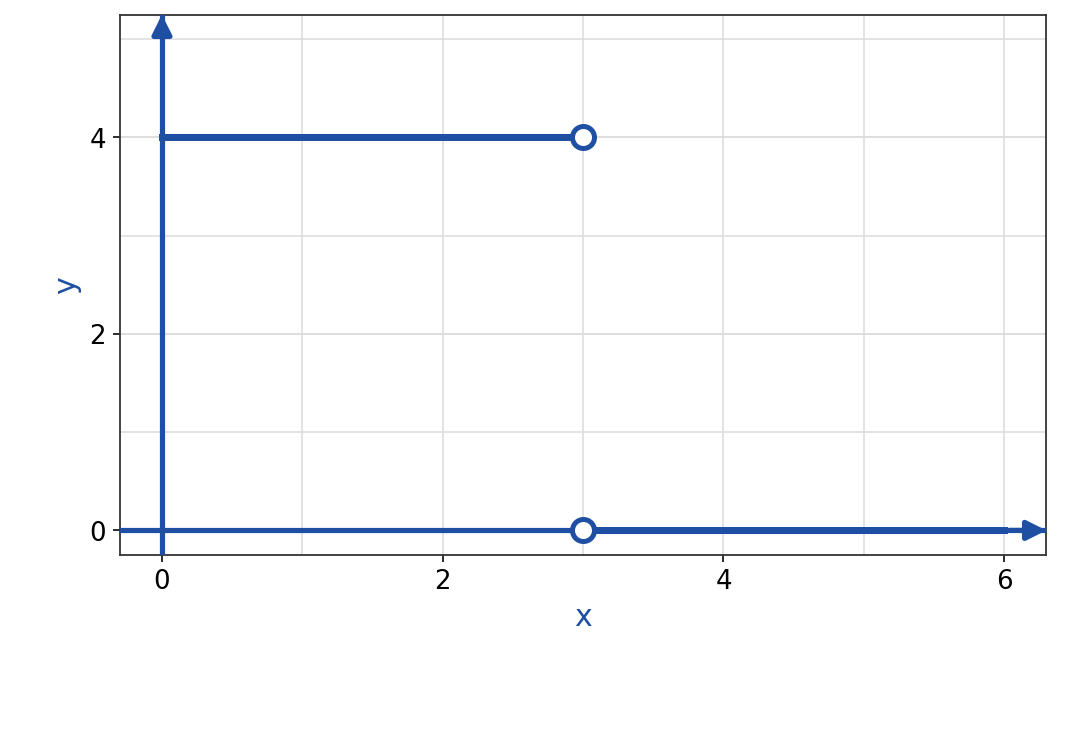
If a graph is continuous at a point, what is the limit there?
What does an open circle on a graph mean?
Your score: 0 / 10
1. 3
2. No
3. It does not exist
4. 7
5. No
6. 0
7. -2
8. It does not exist
9. The function value at that point
10. The function has no value at that point