1
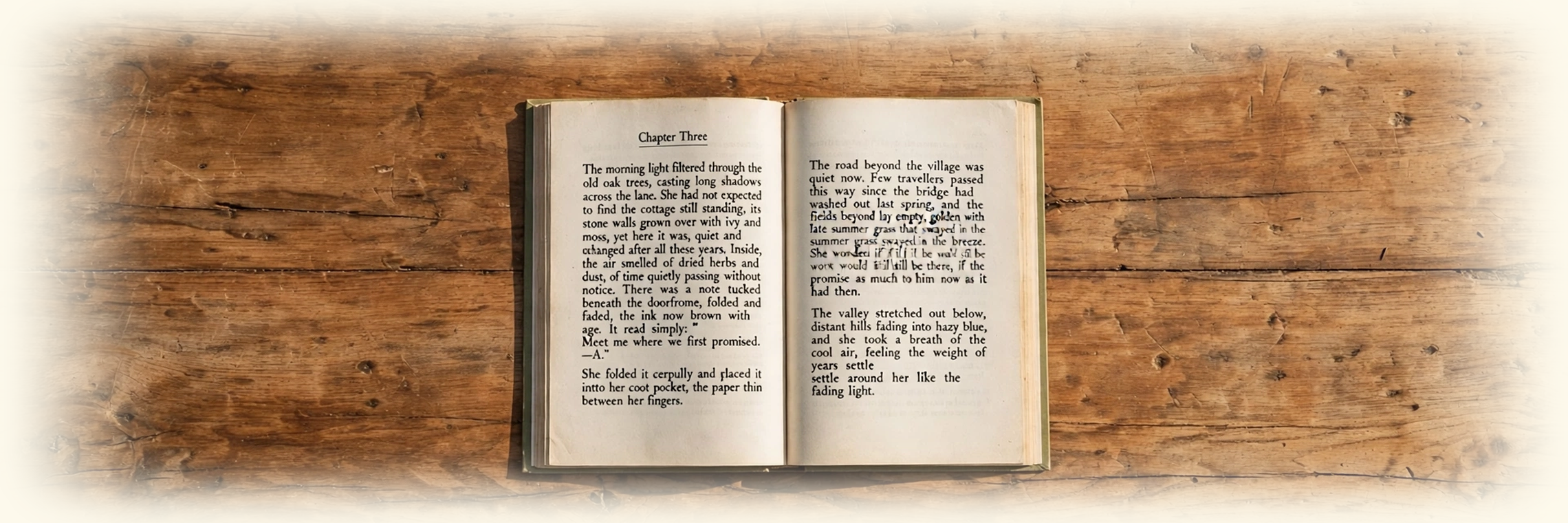
Read: The dog is big. What does it say?
ENGLISH, LITERACY, AND COMMUNICATION
This document was made by AI and there may be mistakes. If a question or answer looks wrong, use the Flag a mistake button to let Brett know so he can fix it.
This is how you understand whole thoughts in books, signs, and instructions, not just single words on their own. A sign that says no parking on Tuesdays means something different from the words no parking on their own, and a set of instructions only works when each sentence is read as a whole thought. A text message, a recipe step, and a line in a story all work the same way. Reading sentences is what turns a pile of words into meaning you can act on.
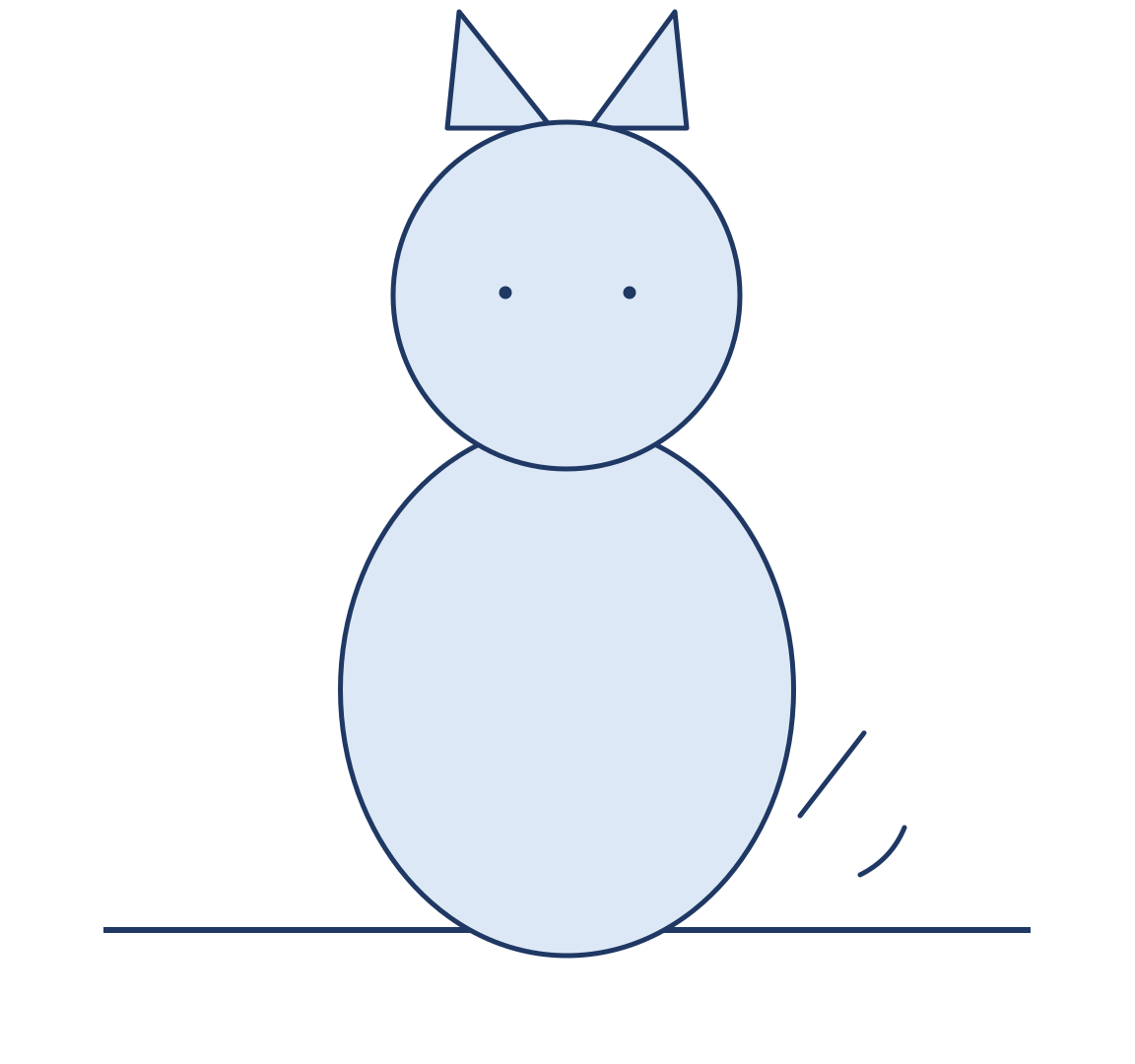
Read: The cat sat. What does it say?
Solution
Read each word in order: The, cat, sat. Put the words together as one thought: a cat sat down.
So the sentence says: The cat sat.
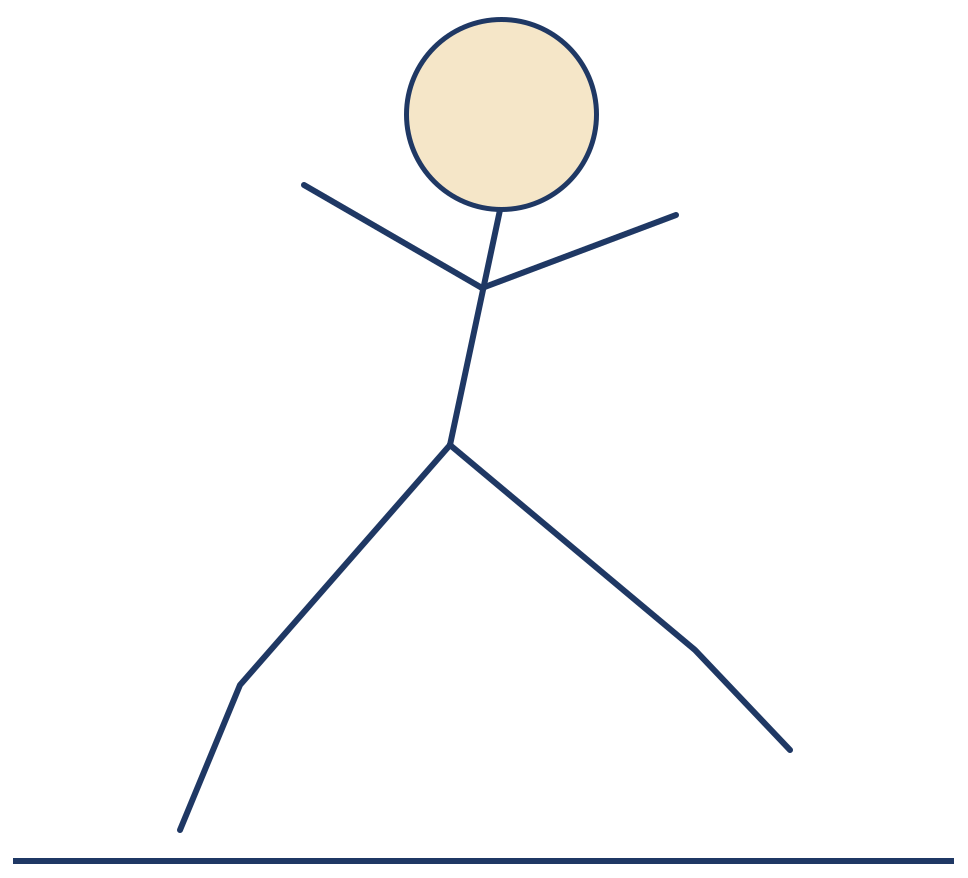
Read: Sam can run. What does it say?
Solution
Read each word in order: Sam, can, run. Put the words together as one thought: Sam is able to run.
So the sentence says: Sam can run.
Read: The dog is big. What does it say?
Read: I see a red ball. What colour is the ball?
Read: Pam has a hat. Who has a hat?
Read: Ben can jump. What can Ben do?
Read: The bird can fly. True or false: the bird can swim?
Read: Tom has a dog. The dog is brown. How many dogs does Tom have?
Read: I like cake. What word is missing: I ___ cake?
Read: Sam runs in the morning. When does Sam run?
Read: A pig is pink. A cow is black and white. Which animal is pink?
Read: The cat sat. The cat slept. What did the cat do first?
Your score: 0 / 10
1. The dog is big
2. Red
3. Pam
4. Jump
5. False
6. One
7. like
8. In the morning
9. The pig
10. Sat