1
Active transport needs energy?
SCIENCE FOUNDATIONS
This document was made by AI and there may be mistakes. If a question or answer looks wrong, use the Flag a mistake button to let Brett know so he can fix it.
This is how you explain how your cells take in nutrients and push out waste, with some substances drifting in on their own and others needing energy to cross. Oxygen drifts into a cell on its own, since it moves from where there is more of it to where there is less. Other substances have to be pumped in against that flow, and the cell spends energy to do it, like carrying a load uphill. Your body runs on both kinds of movement, and knowing which is which explains how nutrients get in and waste gets out.
Active and passive transport: active transport moves substances against the concentration gradient, from low to high, and needs energy.
Passive transport moves substances down the gradient, from high to low, and needs no energy.
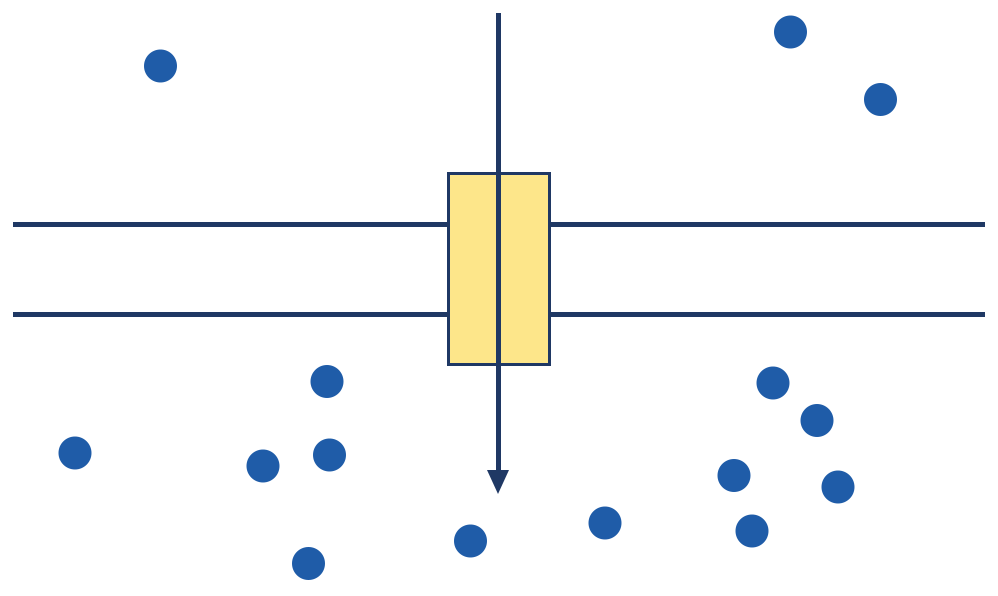
Classify: a cell pumps ions from low to high concentration.
Solution
Check the direction: low to high is against the gradient.
Against the gradient needs energy.
Label it active transport.
The result is active transport.
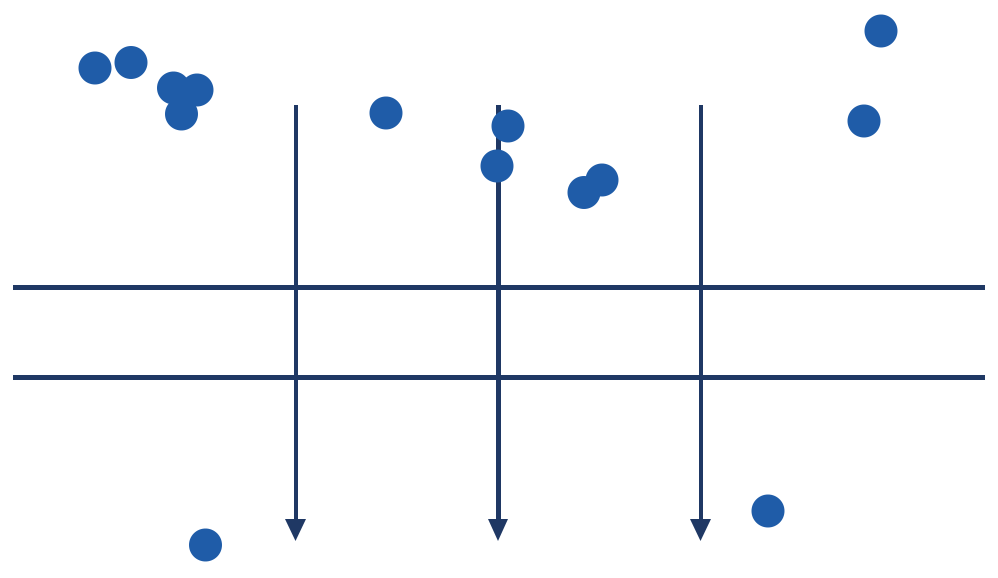
Classify: oxygen diffuses into a cell from high to low concentration.
Solution
Check the direction: high to low is down the gradient.
Down the gradient needs no energy.
Label it passive transport.
The result is passive transport (diffusion).
Active transport needs energy?
Passive transport needs energy?
Low to high: active or passive?
High to low: active or passive?
What energy molecule is used?
Carbon dioxide leaves a cell by diffusion. Active or passive?
A cell uses ATP to move glucose against its gradient. Active or passive?
What is facilitated diffusion?
Do carrier proteins help active transport?
Which moves against the gradient?
Your score: 0 / 10
1. Yes
2. No
3. Active
4. Passive
5. ATP
6. Passive
7. Active
8. Passive movement helped by proteins
9. Yes
10. Active transport