1
What is the chemical formula for glucose?
SCIENCE FOUNDATIONS
This document was made by AI and there may be mistakes. If a question or answer looks wrong, use the Flag a mistake button to let Brett know so he can fix it.
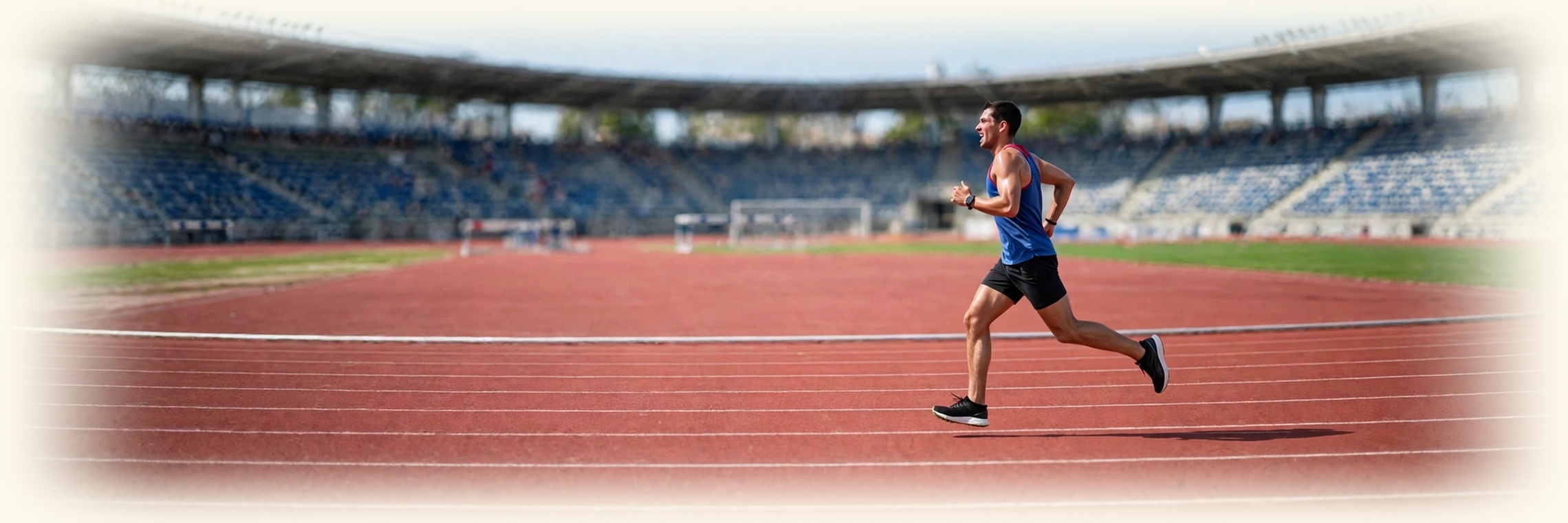
This is how you explain how your body turns the food you eat into energy you can use, like a slow burn of sugar with oxygen inside your cells. You eat food and breathe in oxygen, and your cells combine the two to release energy, with carbon dioxide and water left over. That is why you breathe harder when you run, since your muscles need more energy and so need more oxygen. Cellular respiration is the slow burn that powers everything your body does, from thinking to running.
Cellular respiration: C6H12O6 + 6O2 -> 6CO2 + 6H2O + energy.
Fill in the numbers so the equation C6H12O6 + O2 -> CO2 + H2O balances.
Solution
This is a balancing question, so count each kind of atom on both sides and make them match. Start with carbon: one glucose has 6 carbons, so the right side needs 6 CO2.
Now hydrogen: glucose has 12 hydrogens, so the right side needs 6 H2O. Check oxygen: the left has 6 from glucose plus 6 x 2 = 12 from oxygen, 18 in all; the right has 6 x 2 + 6 = 18. It balances.
So the balanced equation is C6H12O6 + 6O2 -> 6CO2 + 6H2O + energy
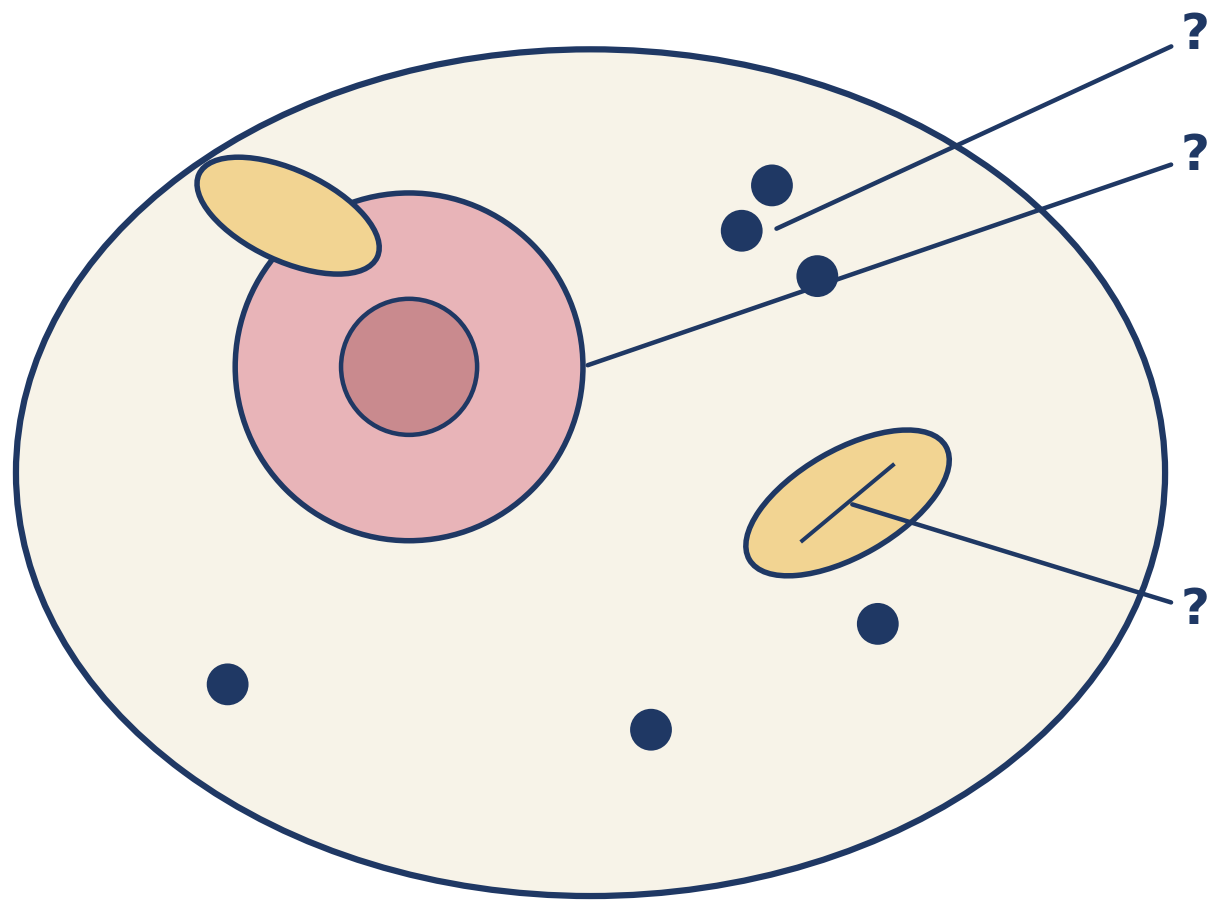
The diagram shows a cell with a nucleus, ribosomes and mitochondria, each marked with a question mark. Which part of the cell releases most of the energy in respiration?
Solution
This is a question about where respiration happens, so think about the stages. Glycolysis starts in the cytoplasm, but that only releases a little energy.
The Krebs cycle and the electron transport chain, which release most of the energy, both happen inside the mitochondria.
So the answer is the mitochondria, and the energy it releases is stored as ATP, the cell's energy currency.
What is the chemical formula for glucose?
Name the reactants of aerobic respiration.
Name the products of aerobic respiration.
Where in the cell does glycolysis happen?
Which stage of respiration makes the most ATP?
One glucose molecule makes about how many ATP in aerobic respiration?
A muscle cell runs out of oxygen during a sprint. What does it do instead, and what builds up in the muscle?
Yeast with no oxygen makes what two products?
Why do you breathe faster when you run?
Which gas does photosynthesis take in that respiration gives out?
Your score: 0 / 10
1. C6H12O6
2. Glucose and oxygen
3. Carbon dioxide, water and energy
4. Cytoplasm
5. Electron transport chain
6. 36
7. Lactic acid fermentation; lactic acid
8. Ethanol and carbon dioxide
9. Muscles need more ATP, so more oxygen in and more carbon dioxide out
10. Carbon dioxide