1
Name one characteristic of living things.
SCIENCE FOUNDATIONS
This document was made by AI and there may be mistakes. If a question or answer looks wrong, use the Flag a mistake button to let Brett know so he can fix it.
This is how you decide whether something is alive, like telling a real plant apart from a plastic one by how it grows, eats, and responds. A real plant grows, takes in water and nutrients, and turns toward the light, while a plastic plant does none of those things. A fire grows and gives off heat, but it does not eat or reproduce, so it is not alive. Living things share a set of traits, and checking for them is how you tell the living from the lifelike.
Characteristics of living things: a living thing is made of cells, grows, reproduces, uses energy, and responds to its surroundings.
Living things also keep homeostasis, which means keeping a stable internal state, like your body keeping its temperature steady.
Test a thing against the whole set: if it misses key characteristics, such as having no cells, it is not alive. A fire grows, but it has no cells and does not reproduce, so it is not alive.
Is a fire alive? Test it against the characteristics.

Solution
Check cells: fire has no cells.
Check reproduction and growth: fire spreads, but it does not reproduce.
Conclude: missing key characteristics, so not alive.
The result is fire is not alive.
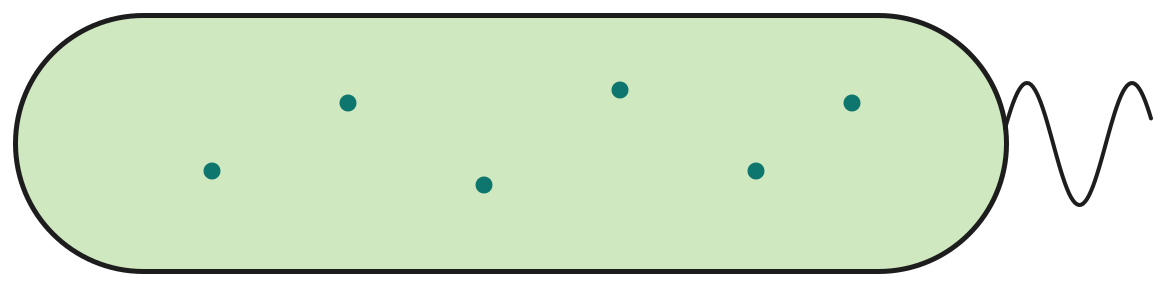
Is a bacterium alive? Test it.
Solution
Check cells: a bacterium is a single cell.
Check the rest: it grows, reproduces, uses energy, makes waste, and responds.
Conclude: it meets the set, so it is alive.
The result is bacterium is alive.
Name one characteristic of living things.
Is a car alive?
Is a mushroom alive?
Is a virus alive by the cell rule?
Do living things need energy?
Do living things respond to stimuli?
Do living things reproduce?
Is a coral alive?
Is a seed alive?
What is homeostasis?
Your score: 0 / 10
1. Made of cells
2. No
3. Yes
4. No
5. Yes
6. Yes
7. Yes
8. Yes
9. Yes
10. Stable internal state