1
What does dynamic equilibrium mean?
SCIENCE FOUNDATIONS
This document was made by AI and there may be mistakes. If a question or answer looks wrong, use the Flag a mistake button to let Brett know so he can fix it.
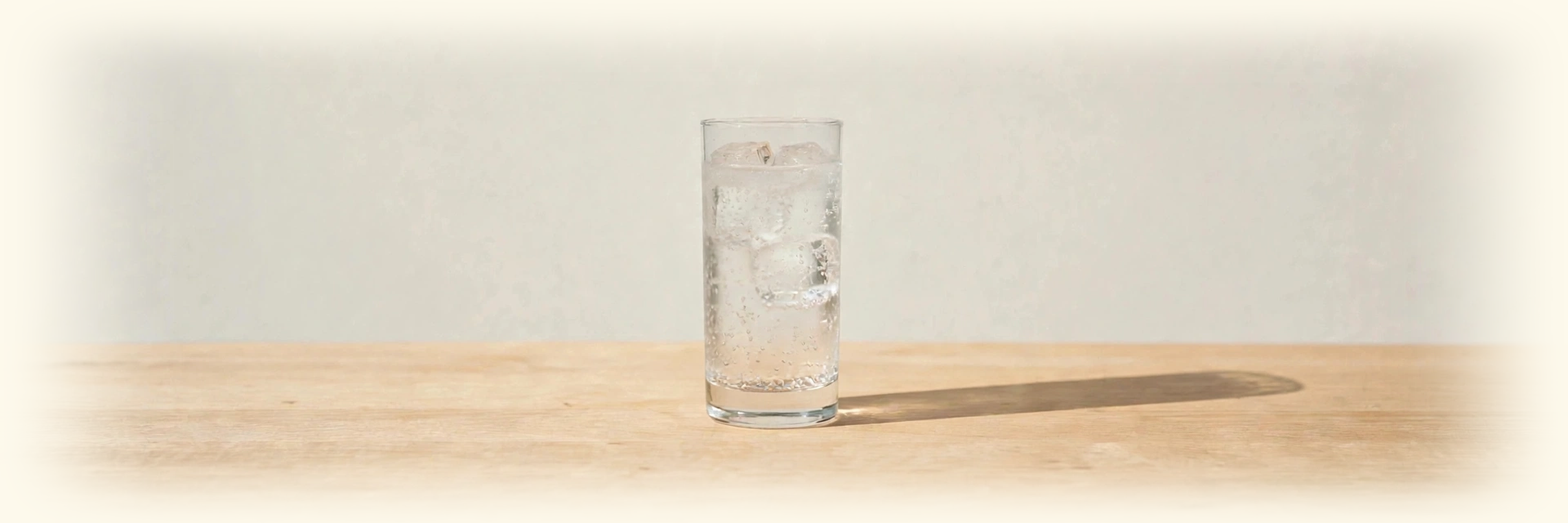
This is how you explain a reaction that can run both ways, like a fizzy drink that keeps its bubbles only while the bottle stays sealed. Inside a sealed bottle, carbon dioxide dissolves into the drink and comes back out at the same rate, so the bubbles stay put. Open the bottle and the gas escapes, the balance breaks, and the drink goes flat. Many reactions settle into a balance like this, with the forward and backward reactions running at the same speed, and that balance is what equilibrium means.
Chemical equilibrium: at equilibrium the forward reaction rate equals the reverse reaction rate, and the concentrations stay constant.
Equilibrium means constant, not equal, so the concentrations at equilibrium do not have to be the same.
The equilibrium constant K is a number that shows where the balance sits at equilibrium. Only changing the temperature changes the value of K.
The reaction N2 + 3H2 <=> 2NH3 is at equilibrium. More nitrogen is added. Which way does the equilibrium move, and why?
Solution
This is a Le Chatelier question, so start with the one rule to remember: when a change is made to a system at equilibrium, the balance moves to undo the change.
Adding nitrogen increases the concentration of a reactant on the left. The system gets rid of the extra nitrogen by reacting it with hydrogen to make more ammonia.
So the equilibrium moves to the right, toward the products, until the balance is restored.
For the same reaction, N2 + 3H2 <=> 2NH3, the forward reaction gives out heat. The mixture is heated. Which way does the equilibrium move?
Solution
This is a temperature question, so the rule is: heating favours the reaction that takes heat in, the endothermic direction.
The forward reaction gives out heat, so it is exothermic. The reverse reaction, breaking ammonia back into nitrogen and hydrogen, takes heat in, so it is endothermic.
So heating moves the equilibrium to the left, toward nitrogen and hydrogen, and less ammonia is made.
What does dynamic equilibrium mean?
At equilibrium, are the concentrations of reactants and products always equal?
More reactant is added to a reaction at equilibrium. Which way does the equilibrium move?
Product is removed from a reaction at equilibrium. Which way does the equilibrium move?
The pressure is increased on N2 + 3H2 <=> 2NH3. Which way does the equilibrium move?
The pressure is decreased on N2 + 3H2 <=> 2NH3. Which way does the equilibrium move?
The forward reaction is exothermic. The mixture is cooled. Which way does the equilibrium move?
The forward reaction is endothermic. The temperature is raised. Which way does the equilibrium move?
A catalyst is added to a reaction at equilibrium. Does the position of the equilibrium change?
Which change alters the value of the equilibrium constant K?
Your score: 0 / 10
1. Forward and reverse rates are equal, concentrations are constant, and both reactions keep running
2. No
3. Toward the products
4. Toward the products
5. To the right, toward ammonia
6. To the left, toward nitrogen and hydrogen
7. To the right
8. To the right
9. No
10. Changing the temperature