1
A slice of cucumber is placed in very salty water. Which way does water move?
SCIENCE FOUNDATIONS
This document was made by AI and there may be mistakes. If a question or answer looks wrong, use the Flag a mistake button to let Brett know so he can fix it.
This is how the smell of fresh baking spreads across a kitchen and how water moves into plant roots or out of salty food, without anything pushing it. A cook brines a turkey because water and salt slowly move into the meat on their own. A gardener knows that watering salty soil can pull water out of the roots instead of into them. Knowing diffusion and osmosis tells you why things spread and mix by themselves, from a drop of food colouring in water to oxygen reaching your cells.
Diffusion and osmosis: particles spread from where they are more concentrated to where they are less concentrated, until they are evenly spread.
Osmosis is the same idea for water moving across a membrane, from where water is more concentrated to where it is less concentrated. Neither needs energy.
A cell is placed in pure water. Which way does the water move?
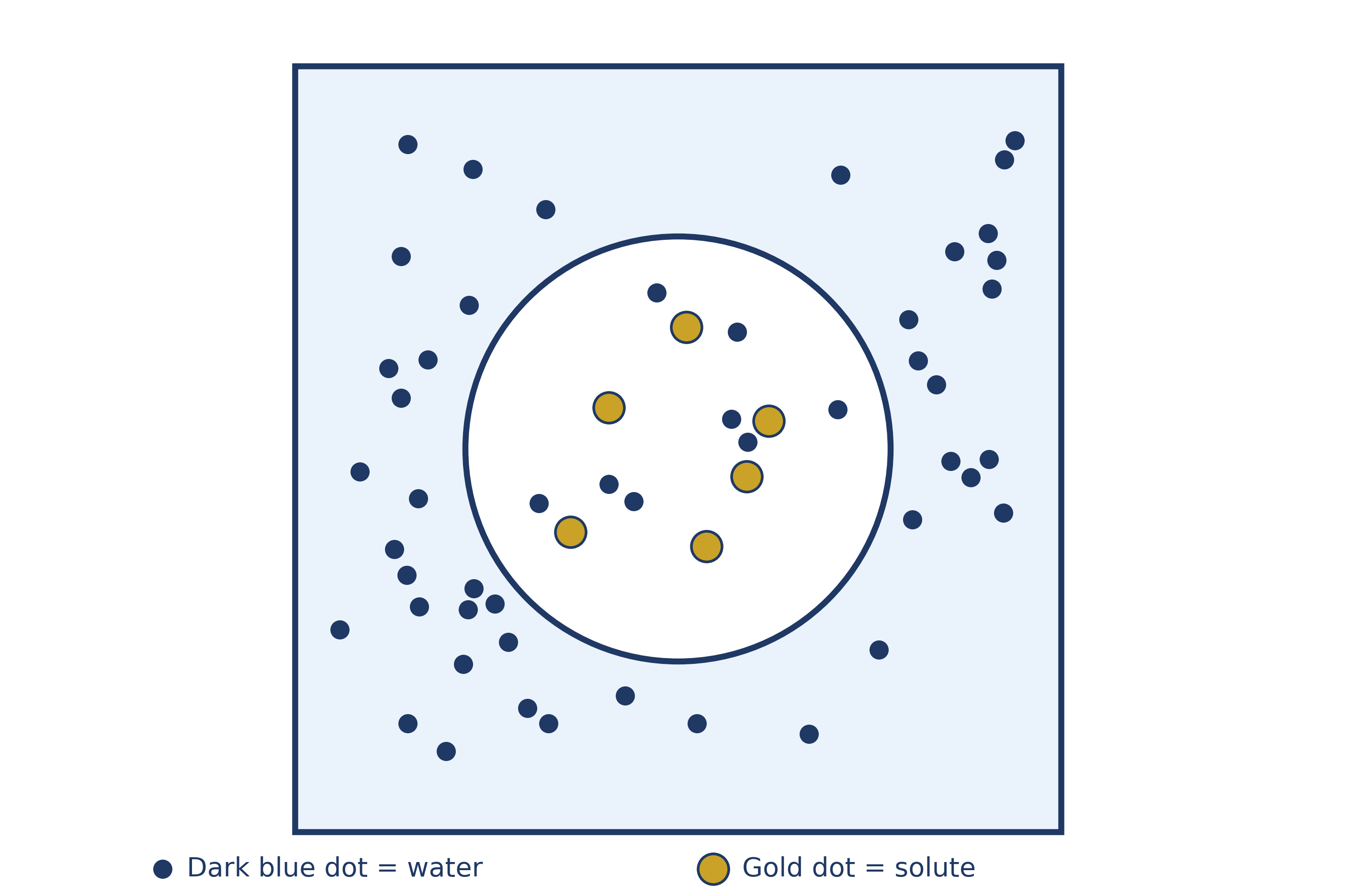
Solution
Compare water outside and inside: outside has more water, less solute.
Water moves from high water concentration to low.
Direction: into the cell
The result is water moves into the cell; the cell may swell.
Perfume is released in a room. Which way do the perfume particles move?
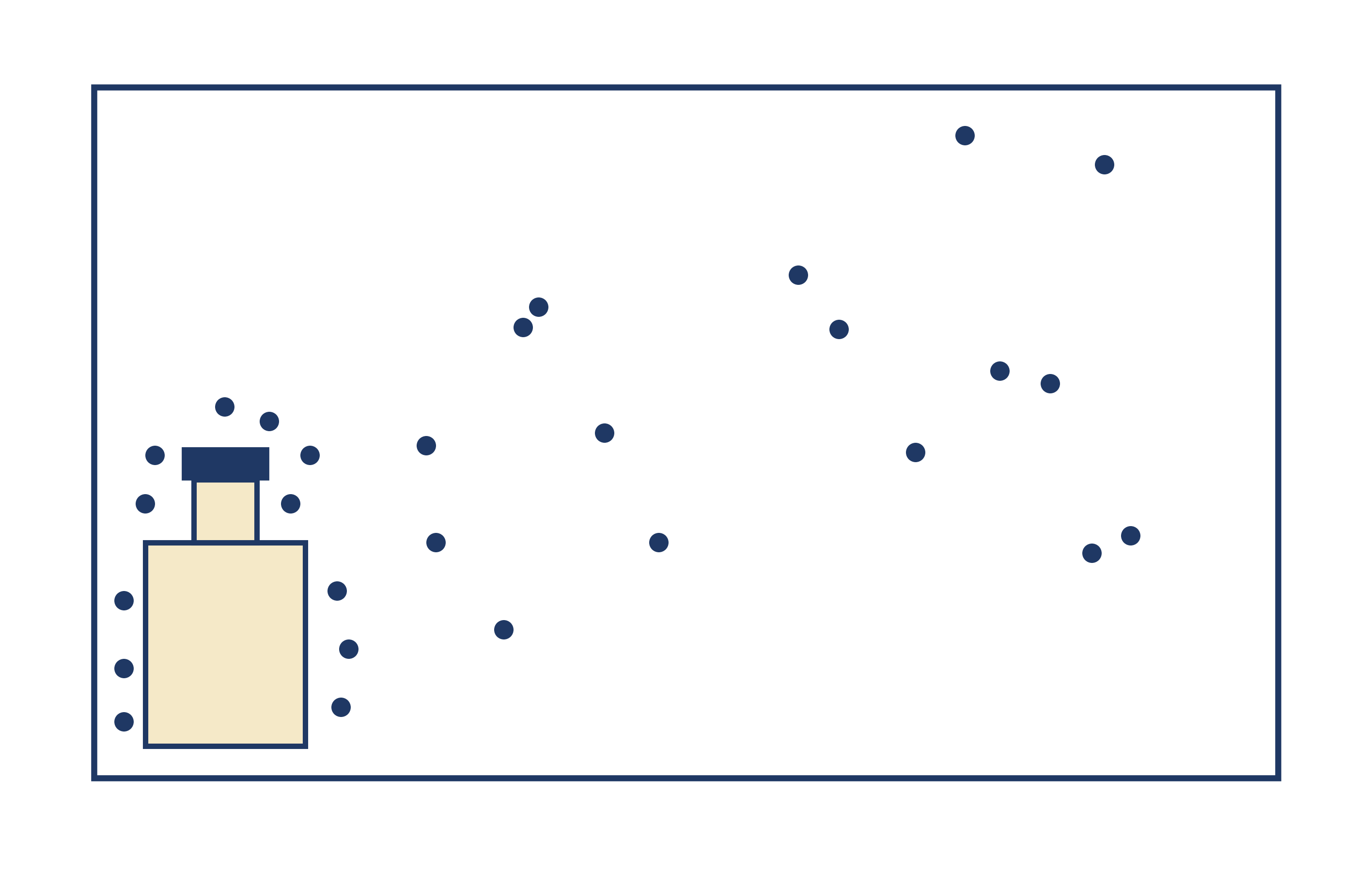
Solution
Compare concentrations: high near the source, low elsewhere.
Particles spread from high to low concentration.
Direction: outward through the room
Result: perfume spreads by diffusion.
Once the perfume is evenly spread, particles keep moving both ways, so the even spread stays even.
A slice of cucumber is placed in very salty water. Which way does water move?
A red blood cell is placed in distilled water. Why does it swell?
A red blood cell is placed in a solution with the same salt concentration as inside the cell. What happens to the cell?
Bread is baking in the kitchen. Describe how the smell reaches the next room and what process this is.
Why does food colouring spread faster in hot water than in cold water?
Diffusion definition?
Osmosis definition?
Does diffusion need energy?
Osmosis moves water without using energy from the cell. Is osmosis an example of active transport?
Osmosis moves what substance?
Your score: 0 / 10
1. Out of the cucumber
2. Water moves into the cell
3. It stays the same size
4. It spreads from high concentration near the oven to low concentration through the house, by diffusion
5. The particles move faster when they are warmer
6. Particles spread from high to low concentration
7. Water across a membrane, from high water to low water concentration
8. No
9. No, it is passive transport, it needs no energy
10. Water