
1
What question must a conclusion answer? Use the flowchart.
SCIENCE FOUNDATIONS
This document was made by AI and there may be mistakes. If a question or answer looks wrong, use the Flag a mistake button to let Brett know so he can fix it.
This is how you decide what a science experiment actually proved, by matching the claim to the numbers you measured instead of guessing. A student who tested three fertilizers can say which one worked best only if the data really shows a difference. A news report claiming a new food cures something needs the same check, does the evidence support the claim or just sound impressive. Knowing how to draw conclusions keeps you from claiming more than your results actually show.
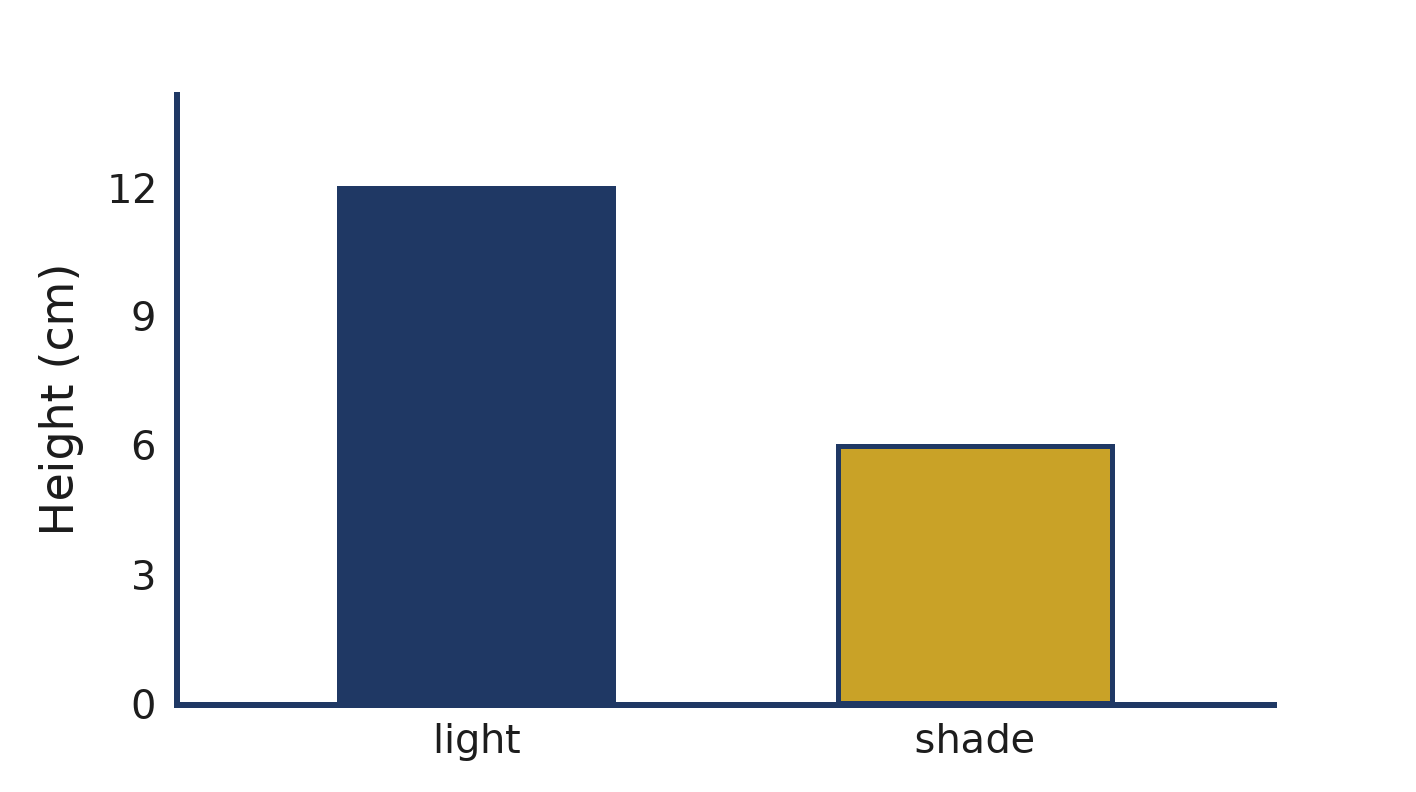
In a light experiment, plants in light grew 12 cm and plants in shade grew 6 cm. Does light affect plant growth?
Solution
Recall the question: does light affect plant growth?
Use the evidence: light group averaged 12 cm, shade group 6 cm.
So the answer is yes, and the hypothesis was supported.
The result is light increased growth in this test; hypothesis supported.
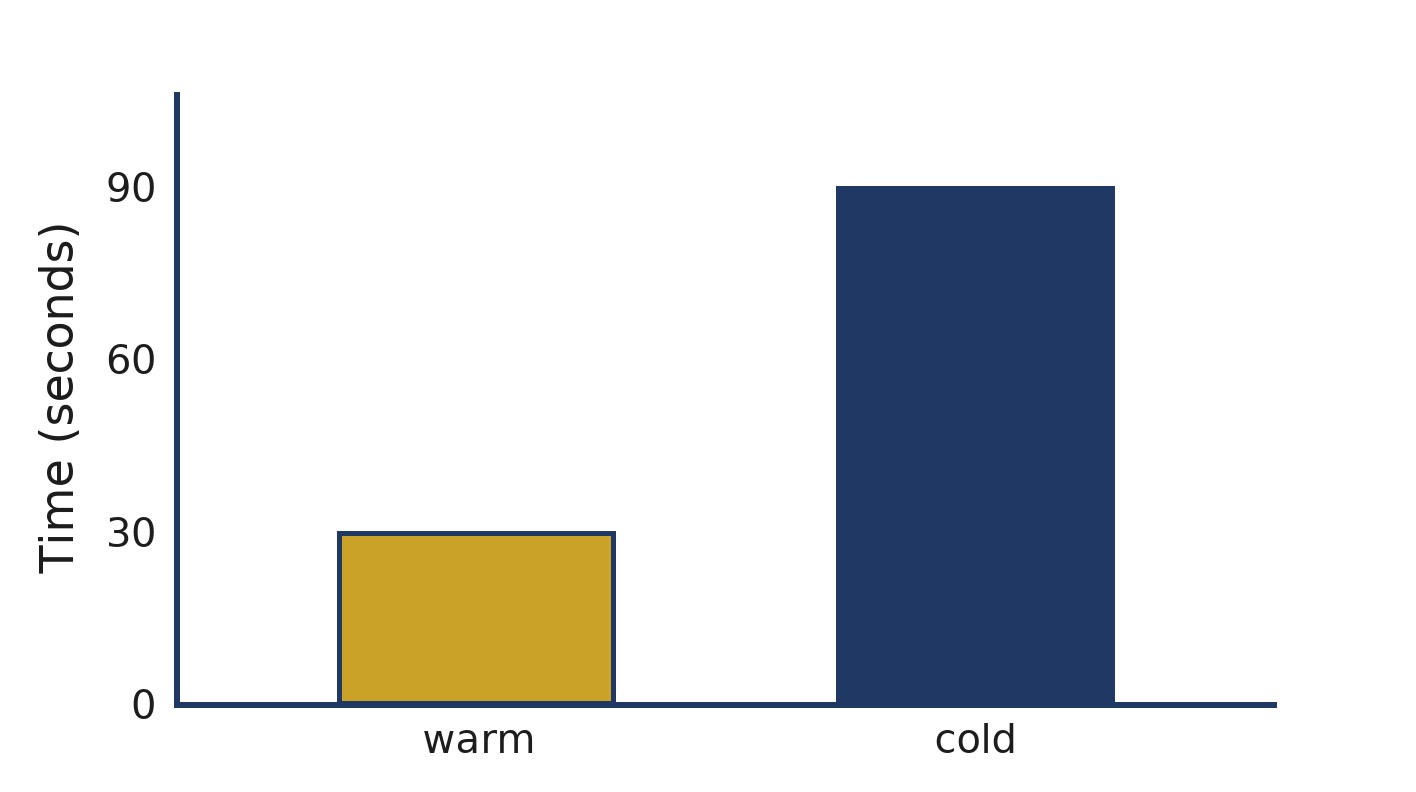
In a dissolving test, sugar took 30 s to dissolve in warm water and 90 s in cold water. Does temperature affect how fast sugar dissolves?
Solution
Recall the question: does temperature affect dissolving speed?
Use the evidence: warm water took 30 s, cold water 90 s.
So the answer is yes, and the hypothesis was supported.
The result is warmer water dissolved sugar faster; hypothesis supported.
What question must a conclusion answer? Use the flowchart.
A student tests whether water affects seed sprouting. Watered seeds: 16 of 20 sprouted. Dry seeds: 7 of 20 sprouted. Write a conclusion for the question: does water affect sprouting? Use the flowchart.
A student tests one fertilizer on tomato plants and finds they grew taller. Which conclusion is supported by the evidence?
A hypothesis predicted sugar dissolves more slowly in cold water. Sugar in cold water took 120 s, in warm water 45 s. Was the hypothesis supported? Write the conclusion. Use the flowchart.
A student tests whether music affects plant growth. Plants with music grew 10 cm, plants without music grew 10 cm. What is the conclusion?
Should a conclusion include numbers?
What if results contradict the hypothesis?
Can a conclusion prove a hypothesis true for all cases?
What does supported mean?
A conclusion with no evidence is what?
Your score: 0 / 10
1. The original question
2. Water increased sprouting
3. The fertilizer increased growth in this test
4. Yes, cold water was slower
5. Music made no difference in this test
6. Yes, the key numbers
7. Say it was not supported
8. No, only for this test
9. The evidence agrees with it
10. An opinion, not a conclusion