
1
A balloon rubbed on a sweater is held near a thin stream of water, and the water bends toward the balloon. Explain why.
SCIENCE FOUNDATIONS
This document was made by AI and there may be mistakes. If a question or answer looks wrong, use the Flag a mistake button to let Brett know so he can fix it.
This is how you explain the shock you get from a doorknob in winter or the cling of clothes fresh from the dryer, because tiny charges build up and then jump. A worker handling fuel or electronics has to discharge static first, because one spark in the wrong place can start a fire or ruin a chip. A balloon rubbed on a sweater sticks to a wall for the same reason your hair stands up near it. Knowing about charge tells you why static builds up, when it jumps, and how to keep it from causing trouble.
Electricity and charge: like charges repel each other and opposite charges attract each other.
Rubbing moves electrons from one object to another, so one object becomes negatively charged and the other positively charged.
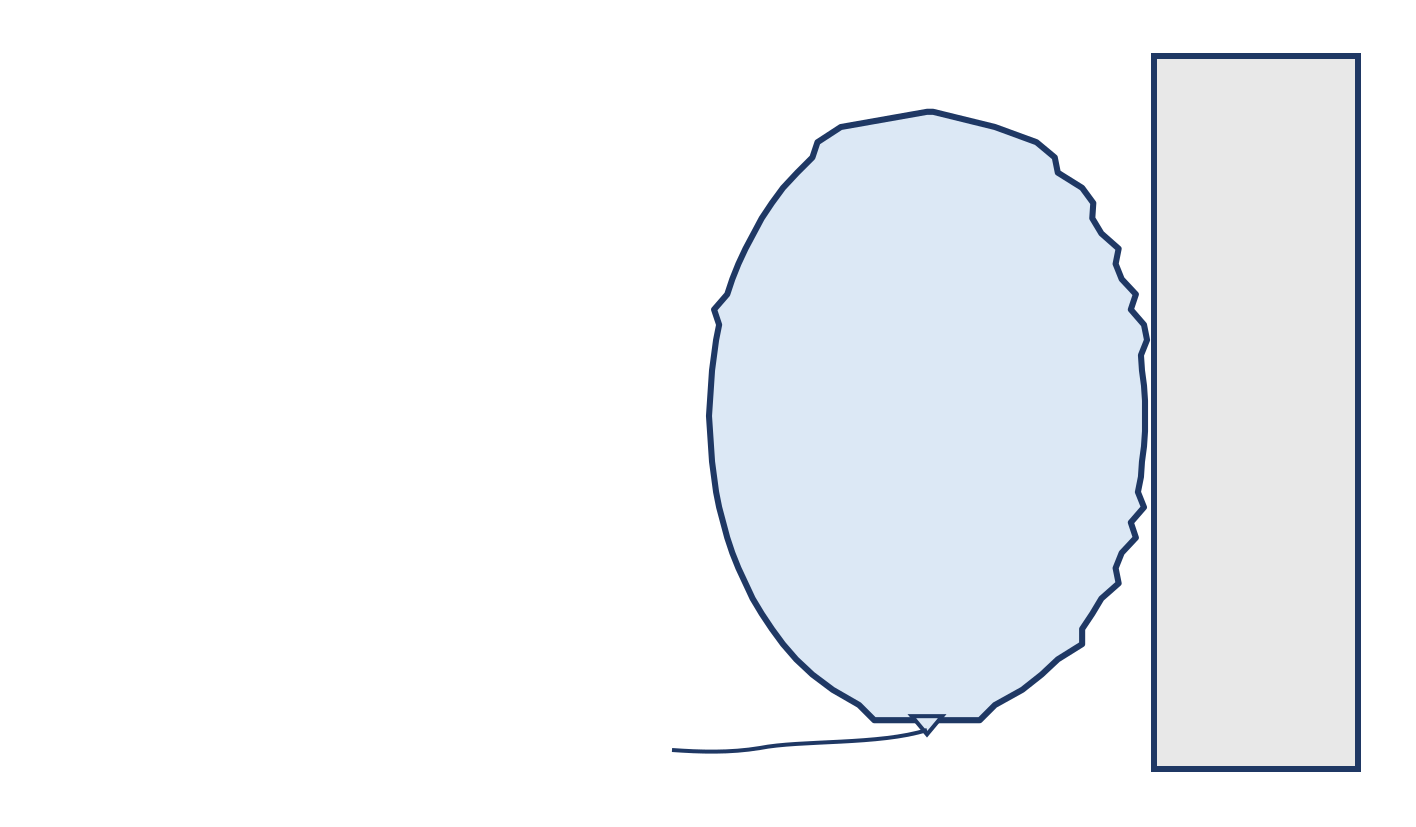
A balloon rubbed on hair sticks to a wall. Why?
Solution
Rubbing moves electrons onto the balloon, giving it a negative charge.
The charged balloon attracts opposite charges in the wall.
Attraction holds the balloon to the wall.
The result is the balloon is charged and attracts the wall.
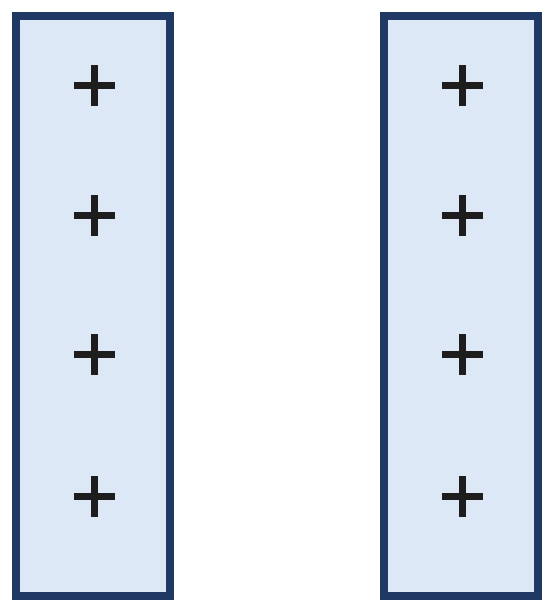
Two positively charged rods are brought together. What happens?
Solution
Recall the rule: like charges repel.
Both rods are positive, so they are like charges.
Conclude: they push apart.
The result is they repel.
A balloon rubbed on a sweater is held near a thin stream of water, and the water bends toward the balloon. Explain why.
A glass rod is rubbed with silk and loses electrons. What charge does the rod have, and what charge does the silk have?
A negatively charged rod and a positively charged rod are brought together. What happens?
A negatively charged balloon touches a metal doorknob. What happens to the balloon's charge?
Like charges do what?
A plastic rod is rubbed with wool and gains electrons. What charge does the rod have?
Charge of a proton?
Charge of an electron?
Rubbing moves which particles?
Is wood a conductor or insulator?
Your score: 0 / 10
1. Rubbing moves electrons onto the balloon, and the charged balloon attracts opposite charges in the water
2. Rod positive, silk negative
3. They attract
4. It is discharged: electrons flow away to the metal
5. Repel
6. Negative
7. Positive
8. Negative
9. Electrons
10. Insulator