
1
A washing powder enzyme works well at 40 degrees C, but in near-boiling water the stains stay. Why did the hot water stop the enzyme working?
SCIENCE FOUNDATIONS
This document was made by AI and there may be mistakes. If a question or answer looks wrong, use the Flag a mistake button to let Brett know so he can fix it.
This is how your body digests lunch in minutes instead of hours, because enzymes speed up the chemical reactions inside you without being used up themselves. A laundry detergent uses enzymes to break down stains at a low wash temperature. A brewer uses enzymes to turn starch into the sugars that yeast can ferment. Knowing enzymes tells you why your body can run thousands of reactions quickly at body temperature, and what happens when an enzyme stops working properly.
Enzymes: an enzyme is a biological catalyst that speeds up a reaction, by lowering the activation energy, the energy a reaction needs to get started, without being used up, so the same enzyme can be used again.
It works because its active site has a shape that fits its substrate, the substance the enzyme works on, and anything that changes that shape, like heat or extreme pH, very acidic or very alkaline conditions, stops it working.
Why does heating an enzyme too much stop it working?
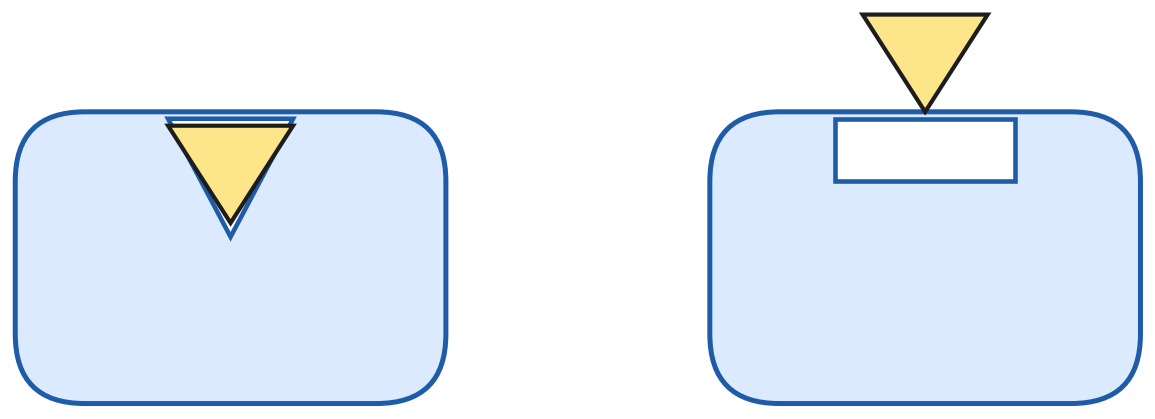
Solution
Recall the shape rule: the active site shape must fit the substrate.
Heating denatures the enzyme: its shape changes.
Conclude: the substrate no longer fits, so the reaction stops.
Result: denatured enzyme, reaction stops.
This fit is often described as lock and key, or as induced fit, where the active site moulds itself around the substrate.
An enzyme speeds a reaction. Is it used up?
Solution
Recall the catalyst rule: catalysts are not used up.
Enzymes are biological catalysts.
Conclude: no, it can be reused.
The result is no, the enzyme is not used up.
A washing powder enzyme works well at 40 degrees C, but in near-boiling water the stains stay. Why did the hot water stop the enzyme working?
Lowering the activation energy does what to the speed of a reaction?
One enzyme molecule helps 100 reactions happen, one after another. Is the enzyme used up?
What is a substrate?
Enzymes are what kind of catalyst?
Active site definition?
What fits the active site?
Extreme pH does what to an enzyme?
What does an enzyme lower?
Can one enzyme work on any substrate?
Your score: 0 / 10
1. Heating denatured the enzyme, so the substrate no longer fits
2. Speeds it up
3. No, it can be reused
4. The substance the enzyme works on
5. Biological catalysts
6. The part that fits the substrate
7. The substrate
8. Denatures it
9. Activation energy
10. No, each is specific