
1
Friction direction vs motion?
SCIENCE FOUNDATIONS
This document was made by AI and there may be mistakes. If a question or answer looks wrong, use the Flag a mistake button to let Brett know so he can fix it.
This is how your shoes grip the sidewalk, your car brakes stop on a wet road, and a match lights when you strike it, because rubbing surfaces push back against motion. A driver in winter counts on tire tread and road salt to keep enough grip to stop. A carpenter sands wood smooth to reduce friction, then uses glue and screws to hold the joint where friction alone is not enough. Knowing friction tells you when grip helps you and when it gets in the way, and how to change it.
Friction: friction always acts opposite to the motion, or opposite to the attempted motion.
Static friction holds a still object in place, and kinetic friction acts on a sliding object. Rougher surfaces and more weight increase friction.
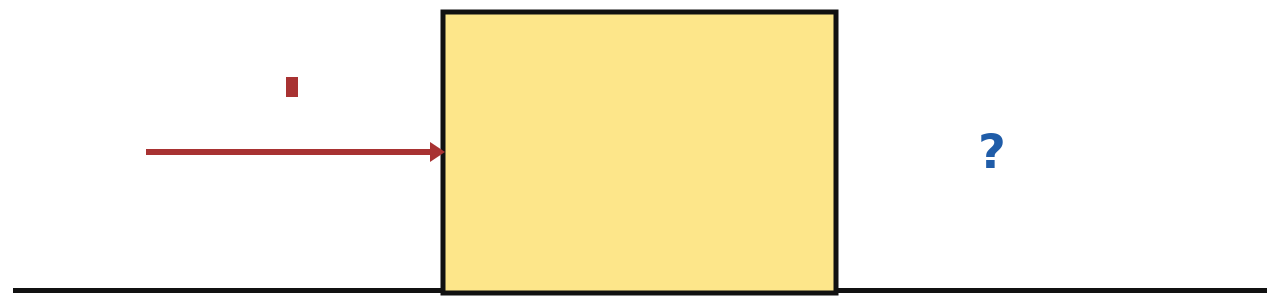
A box is pushed right but does not move. Which way does friction act?
Solution
Ask the attempted motion: the push tries to move it right.
Friction opposes attempted motion, so it acts left.
Since it does not move, static friction equals the push.
The result is friction left, equal to the push.
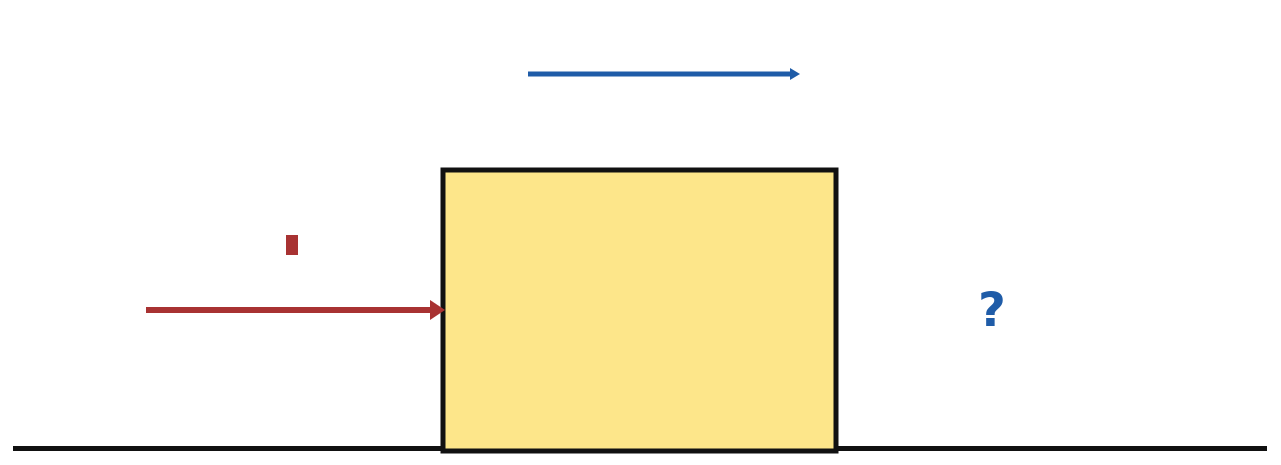
A box slides right. Which way does kinetic friction act?
Solution
Ask the motion: the box moves right.
Friction opposes motion, so it acts left.
Label it kinetic friction.
The result is friction left.
Friction direction vs motion?
A book is pushed left but does not move. Which way does friction act?
A sled slides left. Which way does kinetic friction act?
Static or kinetic for a sliding box?
Static or kinetic for a still box?
Does roughness increase friction?
Does more weight increase friction?
What lets you walk without slipping?
What does friction oppose?
Can friction ever help motion?
Your score: 0 / 10
1. Opposite
2. Right
3. Right
4. Kinetic
5. Static
6. Yes
7. Yes
8. Friction
9. Motion or attempted motion
10. Yes, for example walking and gripping