1
Kinetic energy formula?
SCIENCE FOUNDATIONS
This document was made by AI and there may be mistakes. If a question or answer looks wrong, use the Flag a mistake button to let Brett know so he can fix it.
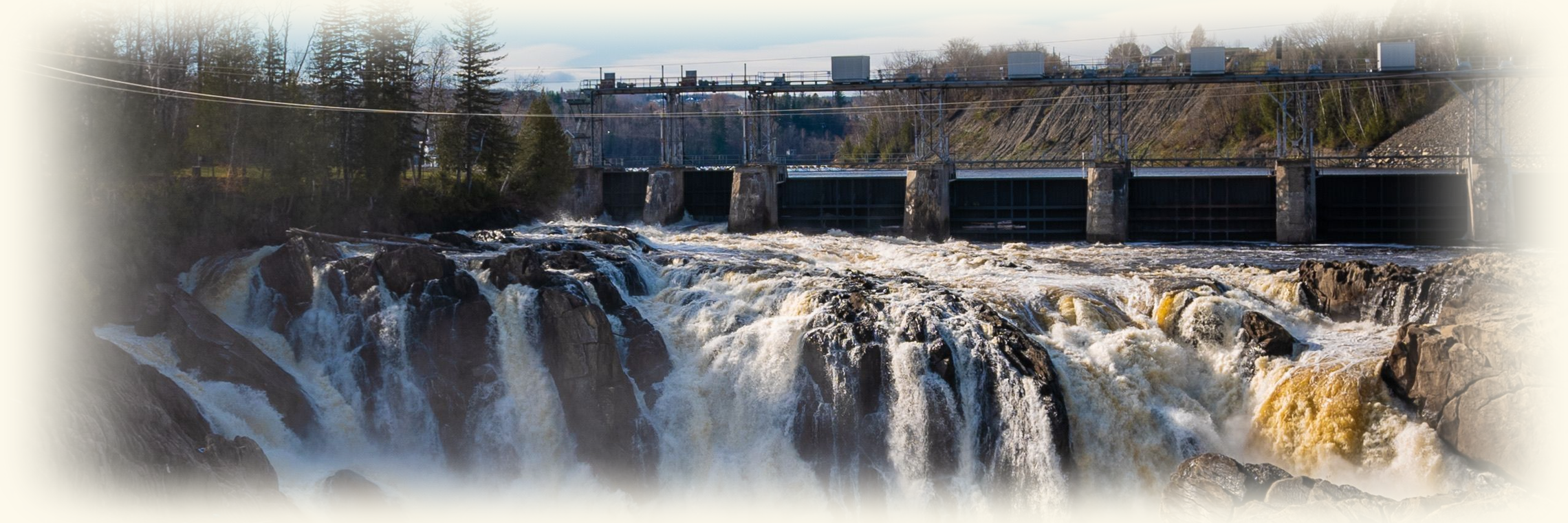
This is how you compare a slow truck and a fast bicycle to see which is harder to stop, or work out how much energy water falling over a dam can turn into electricity. A truck rolling slowly still carries more energy than a bicycle flying along, because its mass is so much bigger. A hydro dam stores energy in water held high up, then turns it into motion and electricity as the water falls. Knowing kinetic and gravitational potential energy tells you how movement and height each store energy, and how one turns into the other.
Kinetic energy: KE = 12 × m × v².
Gravitational potential energy: PE = m × g × h.
Find the kinetic energy of a 2 kg object moving
Solution
Write the rule:
KE = 12 × m × v²
Substitute:
KE = 12 × 2 × 10²
KE = 100 J
The result is kinetic energy 100 J.
Find the potential energy of a 2 kg object 5 m up (g is 9.8).
Solution
Write the rule:
PE = m × g × h
Substitute:
PE = 2 × 9.8 × 5
PE = 98 J
The result is potential energy 98 J.
Kinetic energy formula?
Potential energy formula?
3 kg at 6 m/s: kinetic energy?
2 kg at 10 m: potential energy?
Units of energy?
Double the speed: kinetic energy becomes?
Double the height: potential energy becomes?
A 2 kg object falls and loses 98 J of potential energy. How much kinetic energy does it gain (ignoring air resistance)?
What happens to the potential energy if the mass is doubled and the height is halved?
Which is larger: kinetic at 10 m/s or potential at 5 m for 2 kg?
Your score: 0 / 10
1. 12 mv²
2. mgh
3. 54 J
4. 196 J
5. Joules
6. Four times
7. Double
8. 98 J
9. It stays the same
10. Kinetic