1
Describe the image in a concave mirror when the object is far away: real or virtual, upright or inverted, size, and position.
SCIENCE FOUNDATIONS
This document was made by AI and there may be mistakes. If a question or answer looks wrong, use the Flag a mistake button to let Brett know so he can fix it.
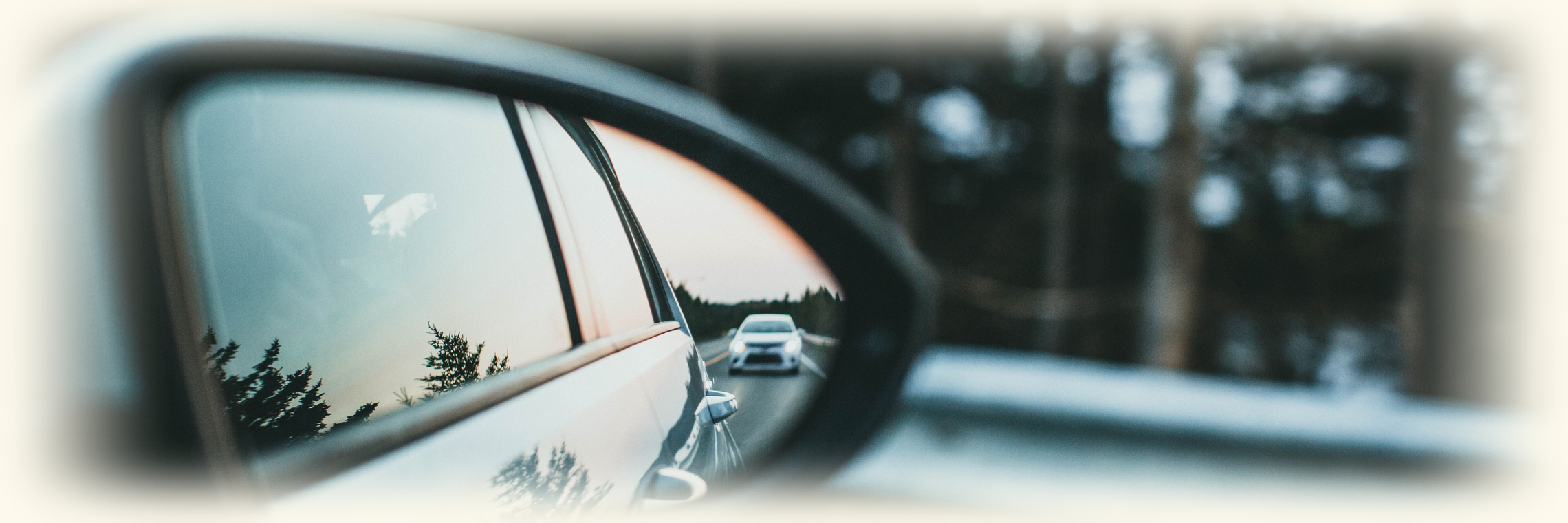
This is how your bathroom mirror shows you upright, a car side mirror squeezes a wide view into a small glass, and your glasses focus the world onto your eyes. A dentist uses a small curved mirror to see behind a tooth without moving the patient. A photographer chooses a lens to make a distant subject look close or a wide scene fit in the frame. Knowing mirrors and lenses tells you how light is bent and bounced to form the images you rely on every day.
Describe the image in a plane mirror.
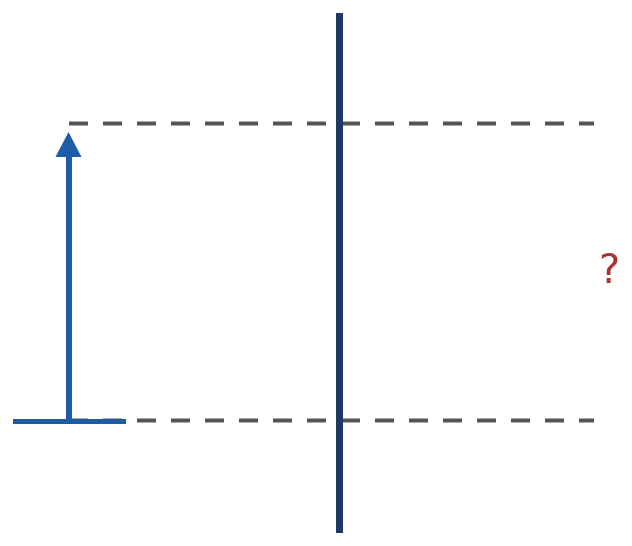
Solution
Use the plane mirror rules: virtual and upright.
Size: same size as the object.
Position: as far behind the mirror as the object is in front.
The result is virtual, upright, same size, behind the mirror.
Describe the image in a concave lens.
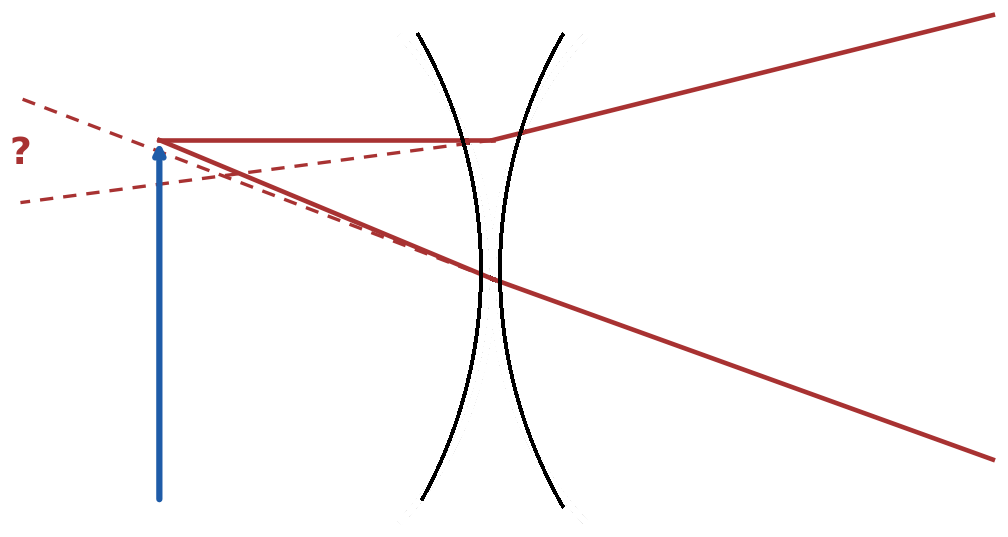
Solution
Use the concave lens rules: virtual and upright.
Size: smaller than the object.
Position: on the same side as the object.
The result is virtual, upright, smaller.
Describe the image in a concave mirror when the object is far away: real or virtual, upright or inverted, size, and position.
An object stands 3 m in front of a plane mirror. Describe its image fully.
Describe the image in a convex lens when the object is inside the focal length: real or virtual, upright or inverted, size, and position.
Describe the image in a convex lens when the object is far away (beyond twice the focal length): real or virtual, upright or inverted, size, and position.
What kind of image can a convex lens make?
What kind of image can a concave mirror make?
Which lens is thinner in the middle: convex or concave?
Which mirror bulges outward: convex or concave?
Describe the image in a convex mirror.
An object is 2 m in front of a plane mirror. How far behind the mirror is its image?
Your score: 0 / 10
1. Real, inverted, smaller, in front of the mirror
2. Virtual, upright, same size, 3 m behind the mirror
3. Virtual, upright, larger, on the same side as the object
4. Real, inverted, smaller, on the far side of the lens
5. A real image (or a virtual image if the object is very close)
6. Usually real and inverted, but virtual and upright when the object is inside the focal length
7. Concave lens
8. Convex mirror
9. Virtual, upright, smaller, behind the mirror
10. 2 m behind the mirror