1
Name KBr.
SCIENCE FOUNDATIONS
This document was made by AI and there may be mistakes. If a question or answer looks wrong, use the Flag a mistake button to let Brett know so he can fix it.
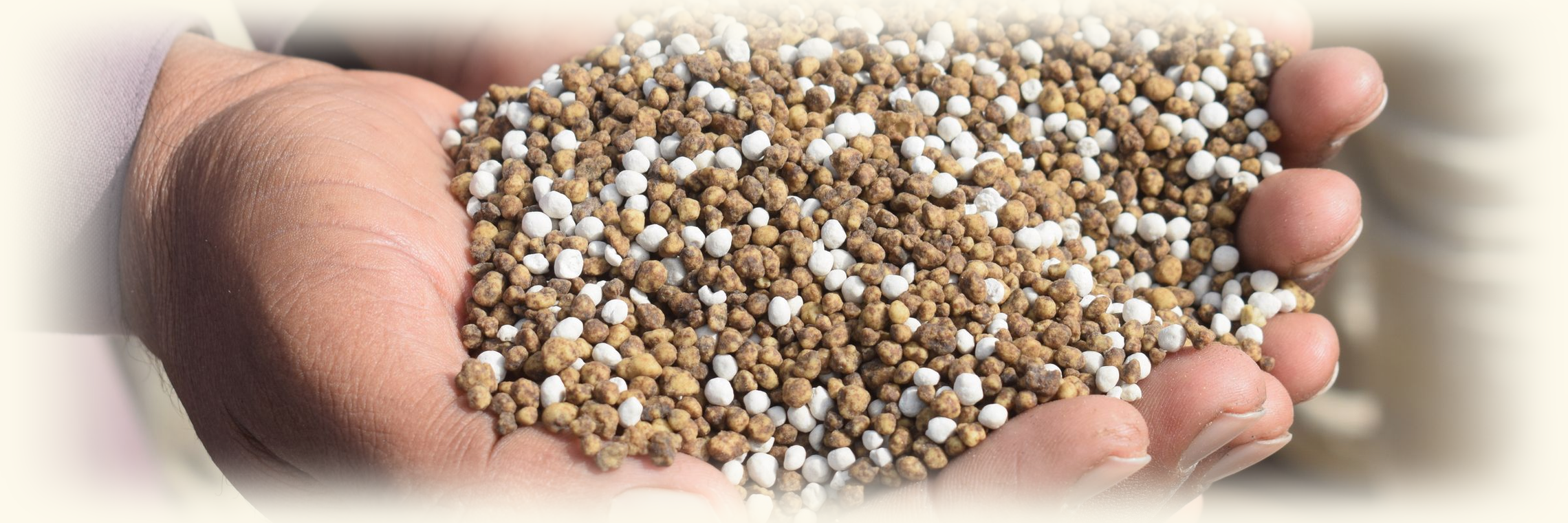
This is how you read a chemical name on a cleaning product or a bag of fertiliser and know exactly which metal and non-metal are inside it. A gardener reading a fertiliser label can tell whether it carries potassium, calcium, or magnesium from the name alone. A cleaner checking a product knows whether it contains a chloride or a sulfate before mixing it with anything else. Knowing how ionic compounds are named tells you what is in the bag or the bottle without needing a lab test.
Naming ionic compounds: name the metal first, unchanged, then the non-metal with its ending changed to -ide.
For a transition metal, add a Roman numeral showing the charge of the metal ion. Polyatomic ions keep their own names.
Name NaCl.
Solution
Split the compound: sodium (metal) and chlorine (non-metal).
Keep the metal name: sodium.
Change the non-metal ending to -ide: chloride.
The result is sodium chloride.
Name
Solution
Split the compound: iron and chlorine, three chlorides each -1.
Work out the iron charge:
Fe + 3(-1) = 0
Fe = +3
Name it with a Roman numeral: iron(III) chloride.
The result is iron(III) chloride.
Name KBr.
What is the formula of magnesium oxide?
Name Na₂SO₄.
Name FeCl₂.
What is the formula of iron(III) oxide?
What ending does the non-metal get?
Which part is named first?
Name CuSO₄ if copper is +2.
What is the formula of calcium bromide?
What does the Roman numeral show?
Your score: 0 / 10
1. Potassium bromide
2. MgO
3. Sodium sulfate
4. Iron(II) chloride
5. Fe₂O₃
6. -ide
7. The metal
8. Copper(II) sulfate
9. CaBr₂
10. The metal ion charge