1
Name SO₂.
SCIENCE FOUNDATIONS
This document was made by AI and there may be mistakes. If a question or answer looks wrong, use the Flag a mistake button to let Brett know so he can fix it.
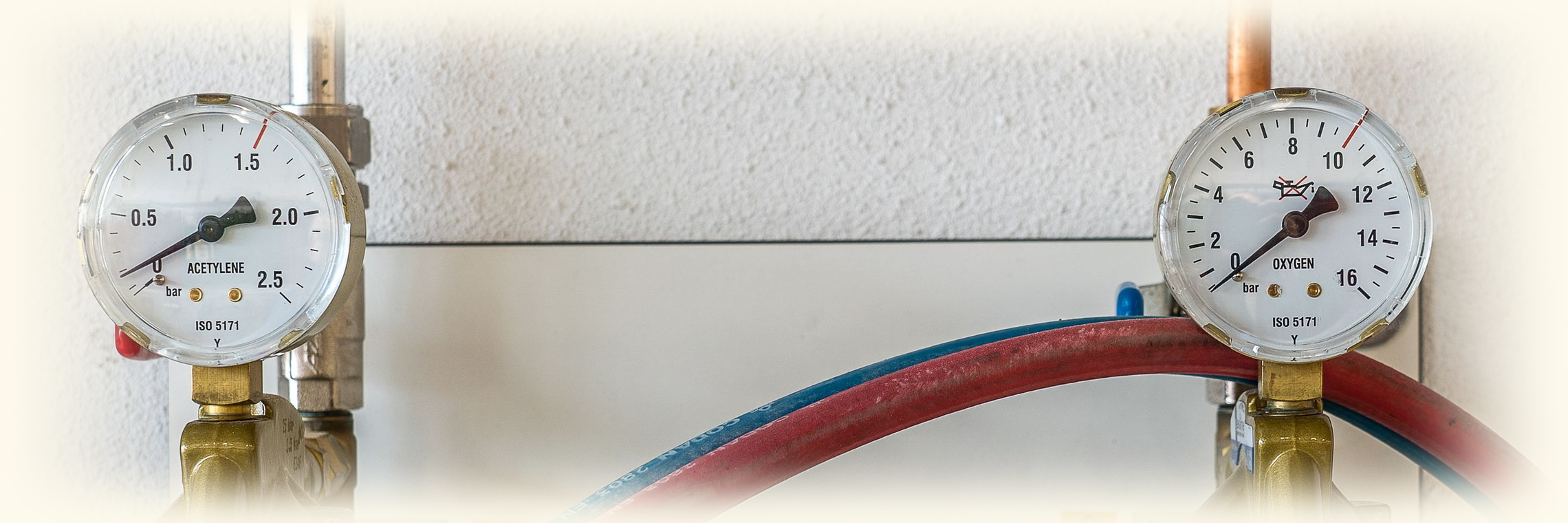
This is how you tell carbon monoxide from carbon dioxide on a warning label, because the name itself counts how many oxygen atoms each gas carries. A safety officer reading a gas cylinder label knows at a glance whether it holds one oxygen per carbon or two, and that difference decides how dangerous it is. A student reading a chemistry question can work out the formula straight from the name. Knowing molecular naming tells you how to read a chemical name as a count of atoms, not just a word to memorise.
Naming molecular compounds: use the prefixes mono (1), di (2), tri (3), tetra (4), penta (5), and hexa (6). Give the first element a prefix only if there is more than one of it, and never use mono on the first element. Always give the second element a prefix and end its name in -ide.
Name CO2.
Solution
Split it: 1 carbon, 2 oxygen.
First element: one carbon, so no prefix: carbon.
Second element: two oxygens, prefix di, ending -ide: dioxide.
The result is carbon dioxide.
Name N2O5.
Solution
Split it: 2 nitrogen, 5 oxygen.
First element: two nitrogens, prefix di: dinitrogen.
Second element: five oxygens, prefix penta, ending -ide: pentoxide.
The result is dinitrogen pentoxide.
Name SO₂.
What is the formula of carbon dioxide?
Name N₂O₄.
What is the formula of dinitrogen tetroxide?
Which name means one carbon atom and four chlorine atoms?
What prefix means 2?
How many atoms does the prefix tetra- mean?
Does the first element get mono?
Name H2O by this system.
Why is CO called carbon monoxide and not monocarbon monoxide?
Your score: 0 / 10
1. Sulfur dioxide
2. CO₂
3. Dinitrogen tetroxide
4. N₂O₄
5. Carbon tetrachloride
6. Di-
7. 4
8. No
9. Dihydrogen monoxide
10. Mono is never used on the first element