1
In a cold habitat, mice with thicker fur survive winter better than mice with thin fur. Explain what happens to the mouse population over generations.
SCIENCE FOUNDATIONS
This document was made by AI and there may be mistakes. If a question or answer looks wrong, use the Flag a mistake button to let Brett know so he can fix it.
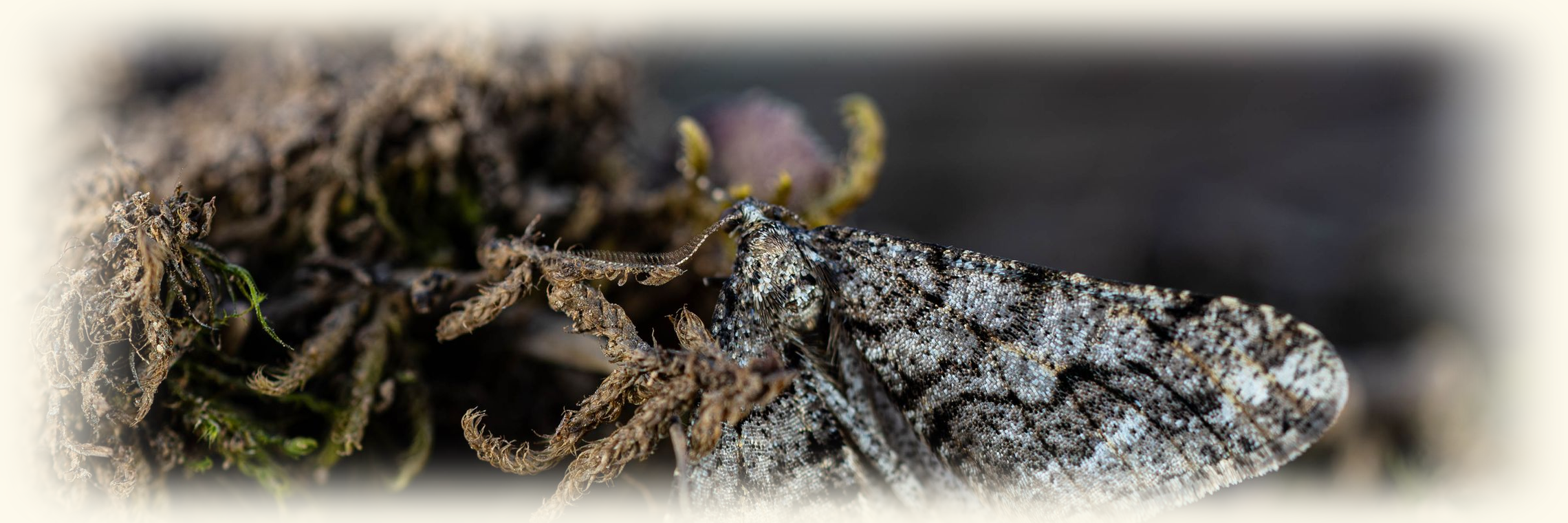
This is how you explain why peppered moths turned dark during the smoky industrial age, and why bacteria keep evolving to survive new antibiotics. When soot darkened the trees, the dark moths were harder for birds to spot, so they survived and passed on their colour. When an antibiotic kills most bacteria, the few that survive it are the ones that carry resistance, and their offspring inherit it. Knowing natural selection tells you why populations change over time, and why the same medicine can stop working if it is overused.
Natural selection: for natural selection to work there must be variation in a population, the traits must be inherited, and some traits must help their owners survive and reproduce better than others.
Over generations, the helpful traits become more common and the population changes. Individuals do not evolve, populations do.
The different versions of a gene are called alleles.
Peppered moths: dark moths survived better on sooty trees. What happens over time?

Solution
Start with variation: light and dark moths both exist.
Apply selection: dark moths hide better and survive more.
Over generations, dark moths become more common.
The result is dark moths increase in the population.
What is needed for natural selection to work?
Solution
List the ingredients: variation, inheritance, selection, time.
Check each: traits must vary, pass on, and affect survival.
Conclude: all four are needed.
The result is variation, inheritance, selection, and time.
In a cold habitat, mice with thicker fur survive winter better than mice with thin fur. Explain what happens to the mouse population over generations.
A mouse grows thicker fur during a cold winter. Will its babies have thicker fur?
Variation, inheritance, and selection are all present, but no generations have passed. Which ingredient of natural selection is still missing?
A population has variation and inheritance, but no trait affects survival. Can natural selection work?
Do individuals evolve, or do populations evolve?
Does natural selection create variation?
Are best-fitting traits chosen on purpose?
Over what timescale does natural selection act?
What spreads through a population: traits or individuals?
A new antibiotic kills most bacteria. The survivors were already resistant before the drug was used. What does this show?
Your score: 0 / 10
1. Thick fur becomes more common
2. No, changes during a lifetime are not inherited
3. Time
4. No, without selection by survival no trait spreads
5. Populations evolve.
6. No, variation already exists in the population.
7. No, they spread because their carriers survive and reproduce more
8. Over generations
9. Traits (alleles)
10. The resistance already existed in the population