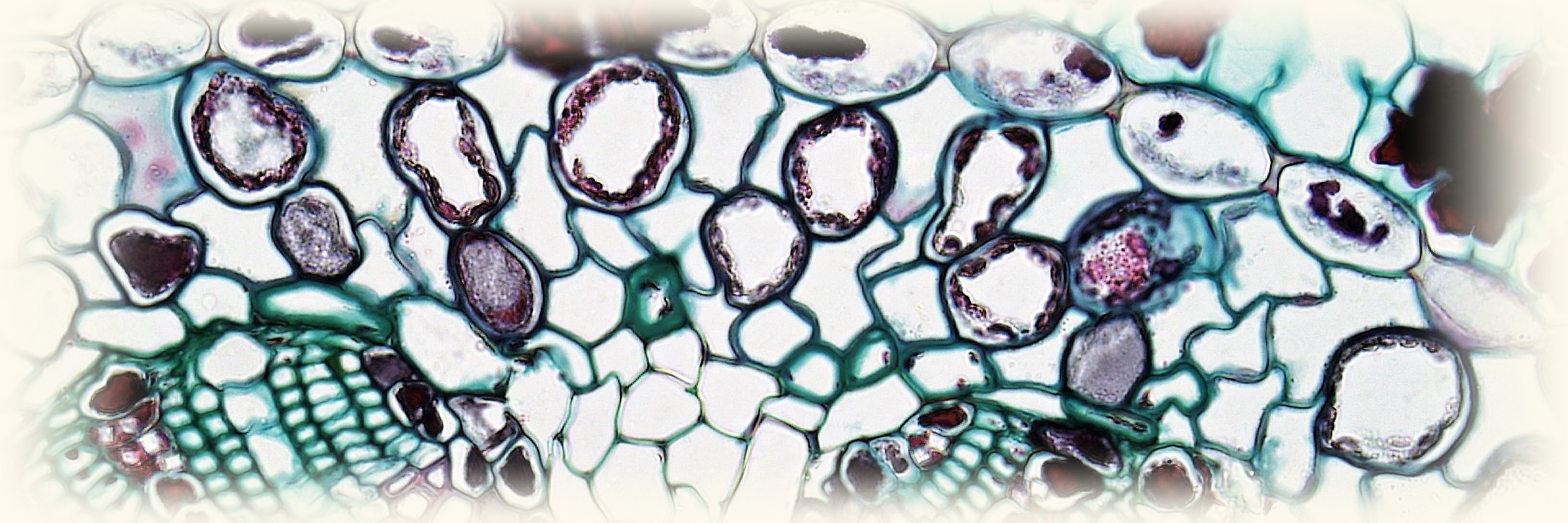
1
A cell has a cell wall and a large central vacuole, but no chloroplasts. Is it a plant cell or an animal cell?
SCIENCE FOUNDATIONS
This document was made by AI and there may be mistakes. If a question or answer looks wrong, use the Flag a mistake button to let Brett know so he can fix it.
This is how you tell a leaf cell from a cheek cell under a microscope, by spotting the wall, the green chloroplasts, and the big water sac that only plants have. A biology student looking down a microscope can sort a slide in seconds by checking for a cell wall. A cook sees the difference every day, since a crisp lettuce leaf holds its shape because of those stiff walls while meat is soft without them. Knowing plant versus animal cells tells you why plants stand upright without bones and why animal cells need other kinds of support.
Plant versus animal cells: plant cells have a cell wall, chloroplasts, and a large central vacuole. Animal cells have none of those three.
Both have a cell membrane, a nucleus, mitochondria, and cytoplasm (the jelly-like filling of the cell). Check for the plant-only structures first: if any are present, it is a plant cell.
Identify a cell with a wall, chloroplasts, and a large vacuole.
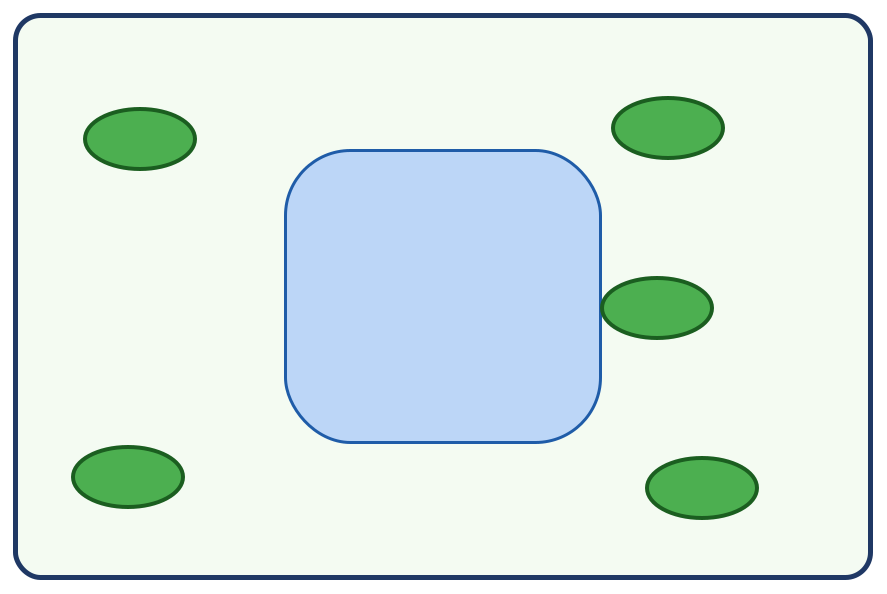
Solution
Check the plant-only list: wall, chloroplasts, large vacuole.
All three are present here.
Conclude: plant cell.
The result is plant cell.
Identify a cell with no wall and no chloroplasts.
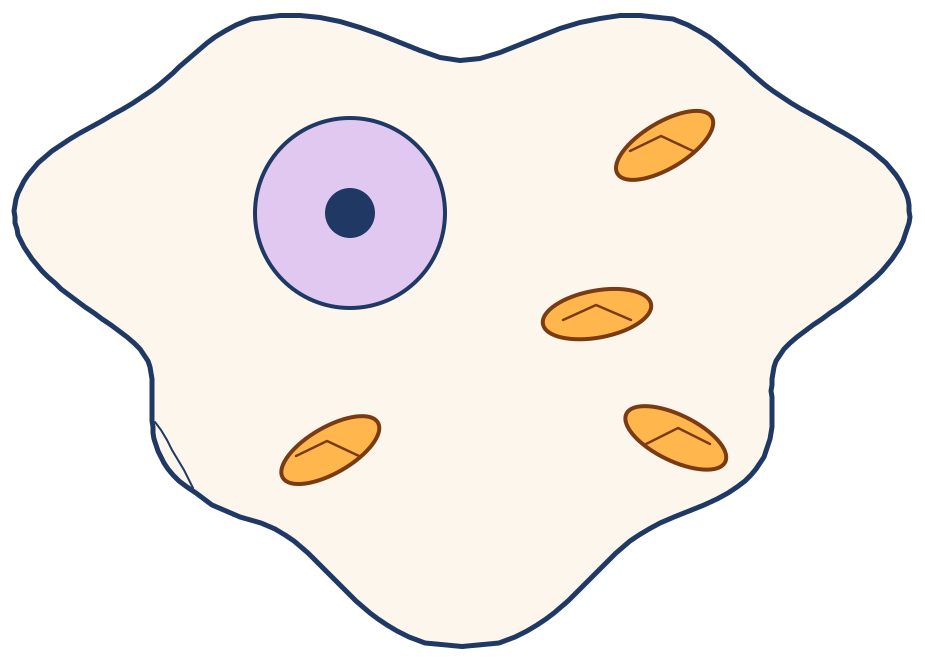
Solution
Check the plant-only list: none of those structures are present.
Check the shared list: membrane, nucleus, mitochondria are present.
Conclude: animal cell.
The result is animal cell.
A cell has a cell wall and a large central vacuole, but no chloroplasts. Is it a plant cell or an animal cell?
Which structure lets a plant cell make its own food?
A cell has a cell membrane, a nucleus and mitochondria, but no cell wall and no chloroplasts. Is it a plant cell or an animal cell?
Why do plant cells keep a fixed shape while animal cells change shape easily?
Name one structure found in plant cells only.
Which structures do both plant and animal cells have?
Which type of cell is usually regular in shape?
Does an animal cell have a nucleus?
A student sees a cell with a nucleus and mitochondria under the microscope. Can she tell whether it is a plant or an animal cell from those two structures alone?
What does the large central vacuole in a plant cell mostly store?
Your score: 0 / 10
1. Plant cell
2. Chloroplast
3. Animal cell
4. Plant cells have a stiff cell wall
5. Cell wall
6. Cell membrane, cytoplasm, nucleus, mitochondria
7. Plant cells
8. Yes
9. No, both cell types have them
10. Water