1
Sugar dissolves in warm water in 40 s and in cold water in 120 s. Which rate is faster, and why?
SCIENCE FOUNDATIONS
This document was made by AI and there may be mistakes. If a question or answer looks wrong, use the Flag a mistake button to let Brett know so he can fix it.
This is how you explain why food spoils faster on a warm counter than in the fridge, and why chopping vegetables cooks them faster than leaving them whole. A cook chills leftovers quickly because cold slows the reactions that spoil food. A pharmacist stores some medicines in the fridge for the same reason. Knowing reaction rates tells you how temperature, surface area, and concentration speed a reaction up or slow it down, and how to control that in the kitchen, the lab, or the factory.
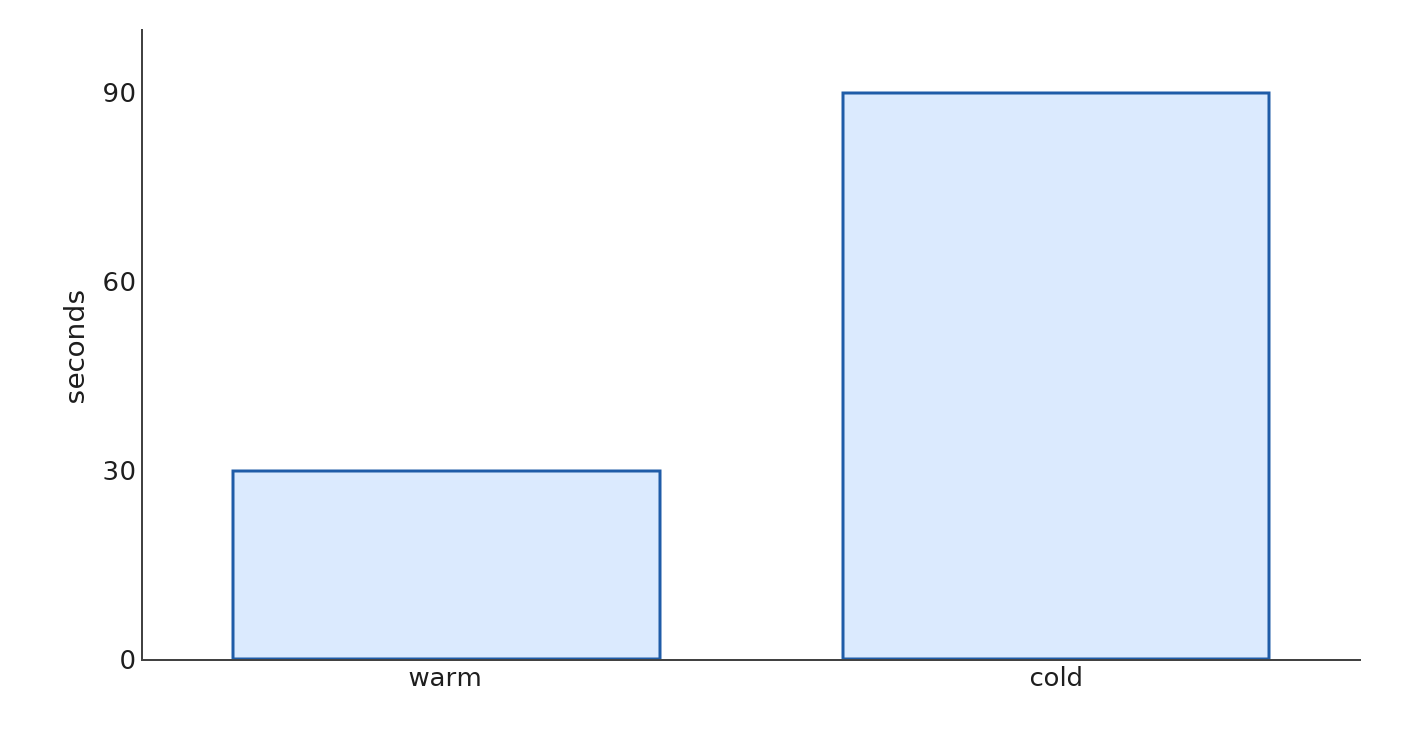
Compare dissolving times: sugar in warm water
Solution
Recall rate: faster means less time for the same change.
Compare times: 30 s is shorter than 90 s.
Conclude: warm water gives the faster rate.
The result is warm water, faster rate.
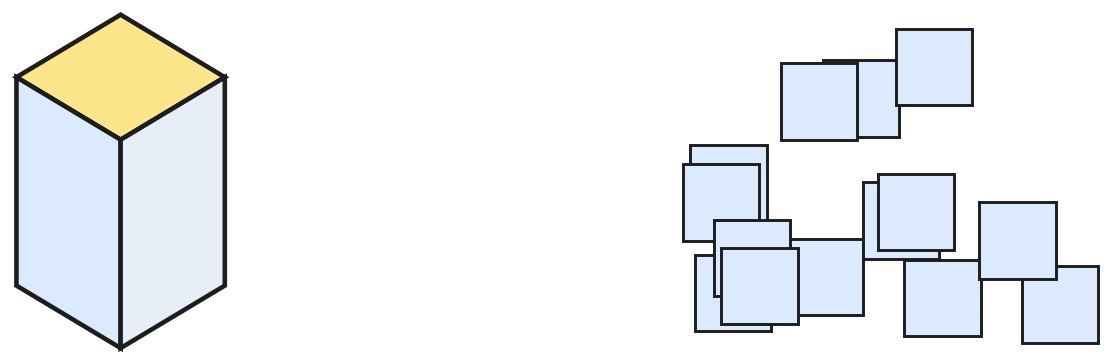
How does crushing a solid change its reaction rate?
Solution
Think about surface area: crushing exposes more surface.
More surface means more collisions per second.
Conclude: the rate increases.
The result is crushing increases the rate.
Sugar dissolves in warm water in 40 s and in cold water in 120 s. Which rate is faster, and why?
Two identical reactions run, one with a concentrated acid and one with a dilute acid. Which is faster, and why?
Two identical sugar cubes are stirred into tea. One is whole, one is crushed. Which dissolves faster, and why?
The same reaction runs at 20 degrees C and again at 40 degrees C. Which is faster, and why?
What is the rate of a reaction?
Does higher temperature increase reaction rate?
Does a catalyst get used up in a reaction?
What must particles do to react?
Does higher concentration increase reaction rate?
Two identical reactions run, one with a catalyst and one without. Which is faster, and is the catalyst used up?
Your score: 0 / 10
1. Warm water, because the same change takes less time
2. The concentrated one, because there are more particles to collide per second
3. The crushed one, because more surface is exposed so there are more collisions per second
4. 40 degrees C, because the particles move faster and collide more often with enough energy
5. Change in amount divided by time
6. Yes
7. No
8. Collide with enough energy
9. Yes
10. The one with the catalyst is faster, and the catalyst is not used up