1
Does music affect how fast bean plants grow? Write a testable hypothesis and describe a fair test.
SCIENCE FOUNDATIONS
This document was made by AI and there may be mistakes. If a question or answer looks wrong, use the Flag a mistake button to let Brett know so he can fix it.
This is how you test an idea fairly, like whether a new phone case really protects better, instead of just trusting a feeling or an advert. A phone case maker who drops both cases the same number of times from the same height has a real comparison. A student testing two plant foods the same way can say which one actually helped. Knowing the scientific method tells you how to turn a hunch, a testable prediction called a hypothesis, into a test you can trust, and how to change your mind when the test says you were wrong.
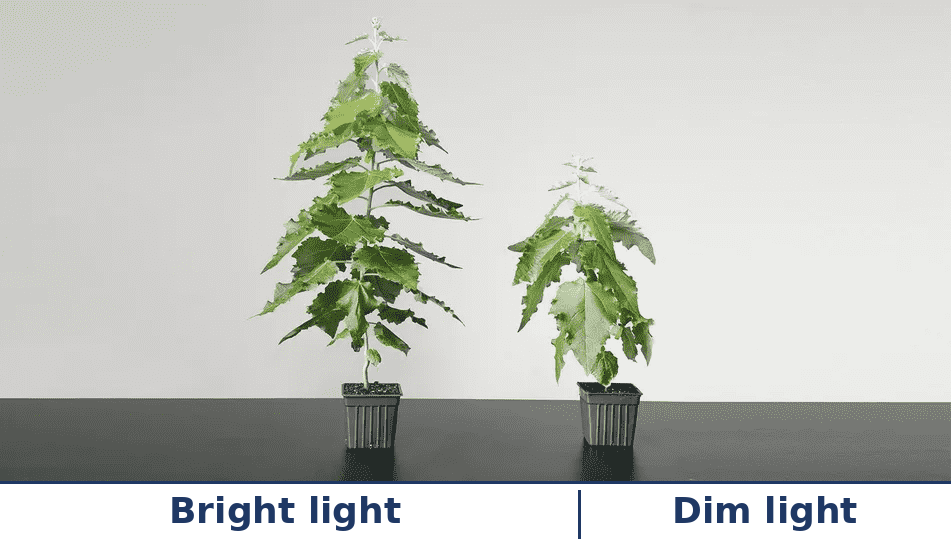
Does light affect plant growth?
Solution
Ask: do plants grow taller in bright light or in dim light?
Predict: if a plant gets bright light, then it will grow taller than one in dim light.
Test fairly, measure height each week, and compare the two groups at the end.
The result is bright-light plants grew taller, supporting the prediction.
Does warm water dissolve sugar faster?

Solution
Ask: does water temperature change how fast sugar dissolves?
Predict: if the water is warmer, then the sugar will dissolve faster.
Stir the same amount of sugar in warm and in cold water and time each one.
The result is sugar dissolved faster in warm water, supporting the prediction.
Does music affect how fast bean plants grow? Write a testable hypothesis and describe a fair test.
A student tests whether fertilizer affects plant growth. She grows one group of plants with fertilizer and one group without. What is the independent variable in her test?
A student tests whether stirring makes salt dissolve faster. She stirs one sample in warm water and leaves another sample still in cold water. What is wrong with this test?
A student tests whether more water makes plants grow taller. She grows one group with more water and one group with the usual amount. Which group is the control?
What is a hypothesis?
Why must a test be fair?
After testing, what do you do with the results?
What does a conclusion state?
Put in order: conclusion, hypothesis, test.
A student only tests one plant. What is the problem?
Your score: 0 / 10
1. Hypothesis: if a plant hears music, then it will grow taller; grow identical plants with and without music and measure height each week
2. The amount of fertilizer
3. Two things change at once, so she cannot tell which caused the result
4. The group with the usual amount
5. A testable prediction
6. So only the tested factor can explain the result
7. Analyse them for a pattern
8. What the evidence supports
9. Hypothesis, test, conclusion
10. One plant cannot show a reliable pattern