1
Work out 34 − 12
MATHEMATICS · GRADES 4-6
This document was made by AI and there may be mistakes. If a question or answer looks wrong, use the Flag a mistake button to let Brett know so he can fix it.
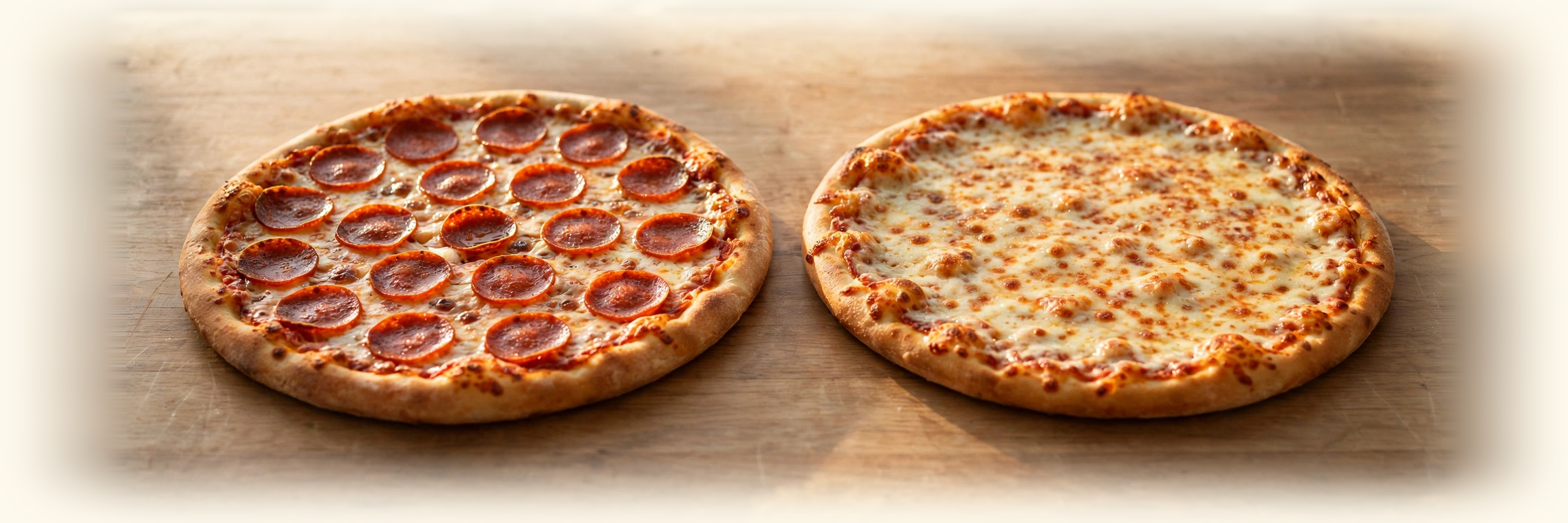
This is how you work out what is left when the pieces are different sizes, like comparing how much of two different pizzas remains, by first cutting them into matching pieces. You cannot subtract pieces of different sizes directly, because a third is not the same size as a quarter. Cutting both into the same smaller pieces makes them comparable, and then the subtraction is straightforward. That is how you compare leftovers, portions, or measurements that were cut into different sized parts.
Subtracting fractions with unlike denominators: first rewrite both fractions with a common denominator, then subtract the numerators and keep the denominator.
You cannot subtract pieces of different sizes directly.
Work out 56 − 14.
Solution
This is a subtraction with unlike denominators, so the one rule to remember is: make the pieces the same size first, then subtract the tops. Do not subtract the bottoms, they only tell you the size of the pieces.
The denominators are 6 and 4, and the smallest number both divide into is 12: 56 = 1012 and 14 = 312.
Now the pieces match, so subtract the tops: 10 − 3 = 7, keeping 12 underneath: 712.
Mia has 23 of a pizza left. She eats 16 of the whole pizza. How much pizza is left?
Solution
This is the same question type in a story: the pieces are different sizes, so cut them to match before you subtract.
Thirds cut into sixths: 23 = 46, and 16 stays as it is.
Now subtract: 4 − 1 = 3 sixths, 36, which simplifies to 12 of a pizza left.
Work out 34 − 12
Work out 56 − 13. Give your answer in its simplest form.
Find the missing number 78 − ? = 12
Sam has 45 of a chocolate bar. He gives away 110 of the whole bar. How much of the bar does he have left?
A jug is 23 full of juice. Then 16 of a jug is poured out. How full is the jug now?
Which of these equals 23 − 14: 512, 712, or 13?
Tom says 34 − 12 = 22 = 1. What did Tom do wrong, and what is the correct answer?
Work out 1112 − 23. Give your answer in its simplest form.
A ribbon is 78 m long. 14 m is cut off. How much ribbon is left?
Work out 56 − 14.
Your score: 0 / 10
1. 14
2. 12
3. 38
4. 710
5. 12
6. 512
7. He subtracted the denominators too; the answer is 14
8. 14
9. 58
10. 712